


Voyage Paris Fashion Journal — Boutique Insights & Trends
French & Italian Wholesale Fashion Journal
Voyage Paris Boutique Buying Insights
Ladies Wholesale Boutique Fashion Advice London

Fashion & Wholesale Blog

Insights, trend updates, and expert buying guides for independent boutique owners.

0%

Choosing a dependable Wholesale Boutique Apparel supplier in 2026 takes more than comparing catalog photos and unit prices. Global buyers must weigh product quality, minimum order quantities, production capacity, shipping options, and communication. A soft-knit cardigan may look consistent online, yet fabric weight and color can vary between samples and bulk orders. Ask suppliers for current product specifications, sample policies, lead times, and clear explanations of quality checks. Good answers build confidence. Vague promises do not.

This guide examines wholesale boutique apparel suppliers through practical questions buyers can verify, rather than rankings alone. It considers assortment depth, private-label options, size ranges, reorder consistency, and support for international shipments. Buyers should also confirm payment terms, return procedures, and any documentation required for their own markets. Details matter. A low price can lose its appeal when packaging arrives damaged or restocking takes weeks. Supplier websites and stated capabilities may change, so confirm important terms directly before placing an order. No list is perfect. Even careful research cannot predict every production delay or market shift. Use these profiles as a starting point, request samples where possible, and compare written terms before committing. The right partner is not always the largest or cheapest; it is the one whose products, service, and delivery record fit your store’s needs.
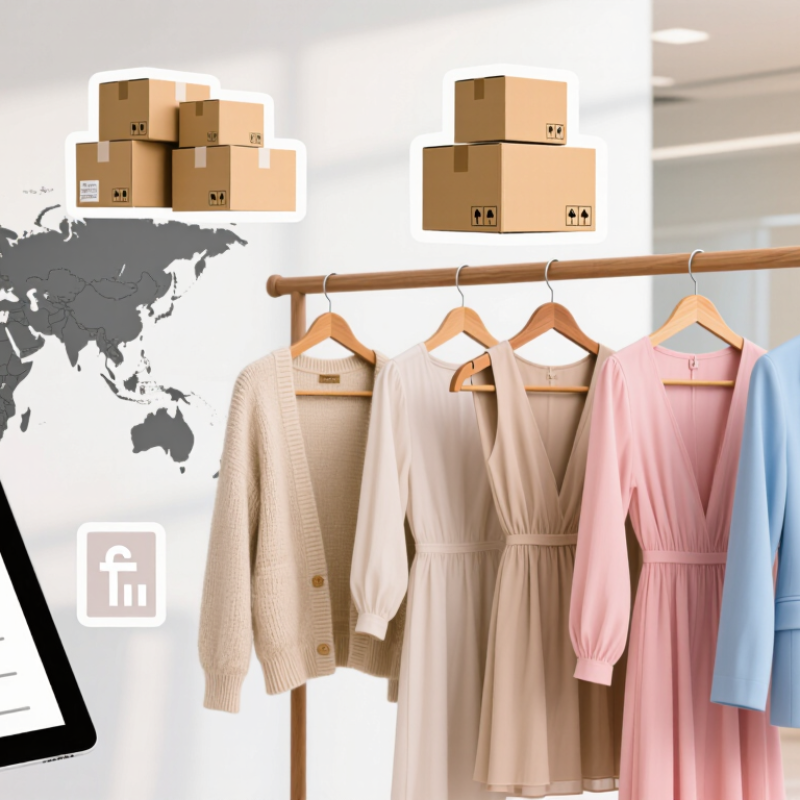
2026 Best Wholesale Boutique Apparel Suppliers for Global Buyers

What Wholesale Boutique Apparel Suppliers Provide

Wholesale boutique apparel suppliers typically provide ready-to-order clothing, size and color options, product specifications, and wholesale pricing. Their collections may include dresses, tops, knitwear, and coordinated sets in seasonal fabrics. Buyers can often request samples to check stitching, fabric weight, fit, and color accuracy before placing a larger order. A product photo is useful, but it cannot show everything.

Tips: Ask for a current size chart, minimum order quantity, sample cost, and estimated dispatch time. Check the seams. Confirm whether colors may vary between production batches.

Some suppliers also support private labeling, custom tags, packaging choices, and repeat-order planning. Availability depends on the supplier, so confirm each service in writing rather than assuming it is included. For international orders, request a clear quotation that separates product costs, shipping charges, and any other fees. Ask how defects or missing items are handled, too. A small test order can reveal practical issues, although it may not predict every result in a larger run. Even experienced buyers can misjudge fabric from a screen; leave room for that uncertainty.

How Global Buyers Assess Supplier Reliability and Product Fit

Global buyers assessing wholesale boutique apparel suppliers should look beyond a polished catalog. Reliability shows in repeatable details: clear minimum order quantities, realistic production schedules, and prompt answers about fabric, sizing, and packing. Ask for a dated sample and written specifications. Small details matter. Check the garment’s measurements against its size chart, inspect seam finishes, and note fabric weight and color in daylight. A sample can feel excellent while a later production run differs, so agree on acceptable tolerances before placing a larger order.

Product fit depends on the buyer’s customers, climate, and sales channel. Lightweight layers may suit warm destinations, while structured knits can work better for cooler seasons or boutique displays. Request care instructions and confirm whether colors and sizes can be reordered consistently. For a first purchase, a modest test order can reveal how cartons arrive, whether labels match the packing list, and how the supplier handles discrepancies. Ask again if an answer is vague. It is tempting to judge a supplier by one fast reply or attractive sample, but neither guarantees smooth repeat orders. No checklist catches everything; record what went wrong, too, and use it to refine the next order.

2026 Best Wholesale Boutique Apparel Suppliers for Global Buyers - How Global Buyers Assess Supplier Reliability and Product Fit

Supplier Type Typical Product Fit Reliability Evidence to Check Product-Fit Checks Global-Buyer Considerations
Apparel manufacturer Private-label styles, custom specifications, or repeat production when the buyer can meet the factory’s order requirements. Business registration, production address, references where available, written specifications, sample approval process, and inspection arrangements. Compare a pre-production sample with the approved measurements, fabric composition, construction, color, and labeling requirements. Confirm minimum order quantity, production schedule, payment milestones, export documents, and who handles freight and customs.
Wholesale distributor Ready-to-order apparel, replenishment, and mixed selections from available wholesale inventory. Current stock confirmation, clear returns and claims terms, itemized invoices, and documented dispatch procedures. Request current size and color availability, fabric details, garment measurements, and photos or samples from the actual offered assortment. Check whether mixed-size packs are allowed, whether stock is reserved after payment, and whether international shipping is supported.
Sourcing agent or buying office Buyers needing help locating suppliers, coordinating samples, communicating specifications, or arranging inspections. Written scope of work, disclosed fees, supplier identity disclosure, approval checkpoints, and clear responsibility for quality claims. Ensure the agent’s sample and inspection reports map to the buyer’s own measurements, materials, workmanship, and labeling standards. Clarify whether the agent represents the buyer, the supplier, or both, and who is responsible for export paperwork and shipment coordination.
Online B2B marketplace supplier Product discovery and initial comparison across suppliers; the actual supplier may be a manufacturer, distributor, or trading company. Verify the legal seller independently, review platform transaction protections, and confirm that quoted terms appear in the order documentation. Order samples where practical; confirm fabric composition, size charts, color options, labeling, and whether listing images represent the deliverable item. Check payment protection limits, dispute deadlines, shipping terms, import duties, and the process for reporting shortages or defects.
Trade-show exhibitor In-person review of collections, materials, samples, and supplier capabilities before a wholesale order. Collect legal business details, written quotations, order terms, production or stock information, and named contacts for follow-up. Inspect the sample in person and confirm that bulk goods will match its approved fabric, measurements, color, finish, and packaging. A booth visit is not a substitute for due diligence; verify capacity, delivery terms, payment safeguards, and post-order support independently.

Supplier capabilities, order minimums, lead times, and shipping terms vary by seller, product, and destination. Treat supplier type as a starting point, verify claims directly, and approve samples and written specifications before placing a bulk order.

Where Boutique Apparel Suppliers Source and Manufacture Garments

Boutique apparel suppliers often source fabric and make garments in different places. Cotton may come from one region, while yarn spinning, dyeing, knitting, and sewing happen elsewhere. Textile Exchange’s Materials Market Report 2024 estimates that global fiber production reached 124 million tonnes in 2023, with polyester accounting for 57%. That scale matters: a supplier’s fabric choice affects cost, hand feel, care requirements, and the product’s material footprint. Ask for fiber composition, mill details, and current material certificates—not just a finished-garment sample.

Manufacturing locations differ in fabric access, order flexibility, and production capacity. WTO trade data identifies China as the largest clothing exporter in 2022, while Bangladesh and Vietnam are also major apparel exporters. These figures describe trade, not the best factory for every order. Small lots matter. A nearby sewing workshop may offer easier sampling, while a larger factory may have stronger access to trims and specialized machinery. Check who actually cuts and sews the garments, whether subcontracting is disclosed, and how fabric batches are tracked. The route matters. Supply maps can be untidy, and a polished sample does not guarantee consistent bulk production; request a pre-production sample and confirm tolerances in writing.

2026 Best Wholesale Boutique Apparel Suppliers for Global Buyers

Where boutique apparel suppliers source and manufacture garments: apparel export values by major sourcing country.

China leads by export value, while Bangladesh and Vietnam are also major apparel manufacturing hubs. Export value indicates industry scale, not supplier quality, boutique specialization, or factory suitability. Values are rounded estimates for 2022 apparel exports (HS 61–62); source: UN Comtrade merchandise trade data.

How Buyers Manage Orders, Shipping, and Import Requirements

For global boutique apparel orders, treat shipping details as part of the purchase, not an afterthought. Confirm quantities by style, color, and size, then request a dated packing list before goods leave the supplier. UNCTAD’s Review of Maritime Transport 2024 reports that seaborne trade grew 2.4% in 2023, while disruptions and longer routes kept shipping conditions uncertain. A planned delivery window needs a buffer. Small details matter.

Agree in writing on the delivery term, who books freight, and who handles insurance and import clearance. Ask for the commercial invoice, packing list, and country-of-origin details early; customs requirements and duty rates depend on the destination and product classification. Share product descriptions and available classification information with a qualified customs broker before dispatch. I have seen buyers focus on unit price, then overlook carton dimensions and landed cost. That is an easy mistake to repeat.

Tips: Build a shipment checklist with order quantities, document deadlines, tracking contact, and a receiving date. Photograph carton labels on arrival and reconcile them against the packing list. Keep it written.

Which 2026 Trends Are Reshaping Boutique Apparel Wholesale

Which 2026 Trends Are Reshaping Boutique Apparel Wholesale

Boutique wholesale is shifting from large seasonal bets toward smaller, more flexible buys. Buyers increasingly need suppliers who can offer dependable core pieces, fresh colors, and practical reorder windows. That flexibility matters when a boutique is testing a new linen shirt or a cropped knit across a limited size run. Yet smaller orders can raise unit costs, and frequent split shipments may offset some environmental gains.

Value-conscious shoppers are also changing assortment decisions. GlobalData’s 2025 resale market analysis found that U.S. secondhand apparel sales grew 14% in 2024, five times faster than the broader clothing market. That growth does not mean every boutique should stock resale. It does signal stronger interest in durability, timeless cuts, and clear cost-per-wear value. Wholesale buyers can ask suppliers about fabric weight, seam finishing, and wash performance—not just the look on a product page.

Traceability is becoming harder to ignore. The European Environment Agency reported that EU textile consumption reached 19 kilograms per person in 2022. For buyers, practical questions include where a fabric was made and what its care label says. Better answers help with merchandising and customer trust, though supplier claims still need checking. A polished product sheet is not proof.

FAQS

How can buyers assess a supplier’s reliability?

Check minimum order quantities, production schedules, and response quality. Request a dated sample and written specifications. Small details matter. Compare measurements, seams, fabric weight, and color in daylight.

Does a good sample guarantee consistent production?

No. A sample may feel excellent, while a later batch differs. Agree on acceptable measurement and color tolerances before ordering. I would still check the finished goods; paperwork cannot catch everything.

What should a first order test?

Use a modest test order to inspect carton condition, labels, and packing accuracy. Compare each item with the packing list. Note discrepancies, even small ones.

How should buyers choose styles for their customers?

Consider customer preferences, climate, and sales channel. Lightweight layers may suit warmer destinations, while structured knits can work for cooler seasons. Check care instructions and reorder options for colors and sizes.

What order details should be confirmed before shipping?

Confirm quantities by style, color, and size. Request a dated packing list before dispatch. Agree in writing on delivery terms, freight booking, insurance, and import-clearance responsibilities.

Which shipping documents should buyers request?

Ask for the commercial invoice, packing list, and country-of-origin details early. Check product descriptions and available classification information with a qualified customs broker. Requirements vary by destination.

How can buyers reduce delivery surprises?

Build in a delivery buffer because routes and shipping conditions can change. Track document deadlines and receiving dates. Photograph carton labels on arrival, then reconcile them against the packing list. Keep records.

What buying trends should boutiques consider?

Smaller, flexible orders can help test a linen shirt or cropped knit in a limited size run. But smaller buys may raise unit costs, and split shipments can reduce some environmental benefits. The trade-off is not always obvious.

How can buyers evaluate durability and traceability?

Ask about fabric weight, seam finishing, wash performance, fabric origin, and care labels. These details can support customer trust, but supplier claims still need checking. A polished product sheet is not proof.

Conclusion

This guide to Wholesale Boutique Apparel suppliers helps global buyers understand the products and services available, from curated clothing collections to customization, packaging, and order support. It explains how to assess a supplier’s reliability and product fit by reviewing garment quality, sizing consistency, communication, production capacity, pricing, and sample policies. Buyers can also consider where garments are sourced and manufactured, looking for clear information about materials, production processes, lead times, and quality checks.

The article outlines practical ways to manage orders and shipping, including confirming specifications, payment terms, delivery schedules, freight arrangements, and the import documentation required for the destination market. It also examines trends reshaping boutique apparel wholesale in 2026, such as demand for flexible order quantities, distinctive designs, transparent sourcing, and more responsive supply chains. Together, these considerations help buyers compare suppliers, reduce uncertainty, and build purchasing plans suited to their customers and business needs.

Ethan

Ethan

Ethan is a seasoned marketing professional with a deep-rooted expertise in our company's product offerings. With a passion for effective communication and brand storytelling, he skillfully engages with our clients through comprehensive blog articles published on our company website. His insights......