Voyage Paris Fashion Journal — Boutique Insights & Trends
French & Italian Wholesale Fashion Journal
Voyage Paris Boutique Buying Insights
Ladies Wholesale Boutique Fashion Advice London

Fashion & Wholesale Blog

Insights, trend updates, and expert buying guides for independent boutique owners.

0%

In the dynamic world of Women's Wholesale Clothing, staying ahead of trends is vital for global buyers. Expert Julia Smith, a leading figure in fashion forecasting, states, "Understanding emerging trends in women's clothing is essential for success." This insight reflects the importance of aligning with consumer preferences.

As we approach 2026, several key trends are shaping the wholesale market. Sustainability continues to be a driving force, with eco-friendly fabrics gaining popularity. Buyers must consider the increasing demand for ethical sourcing in their inventory. Color palettes are evolving, too, with bold and vibrant tones making a statement.

However, navigating these trends can be challenging. The market is saturated, and not every trend will resonate with all consumers. Wholesale buyers should focus on their target audience while experimenting with innovative styles. Embracing these nuances ensures a successful strategy in the ever-changing landscape of Women's Wholesale Clothing.
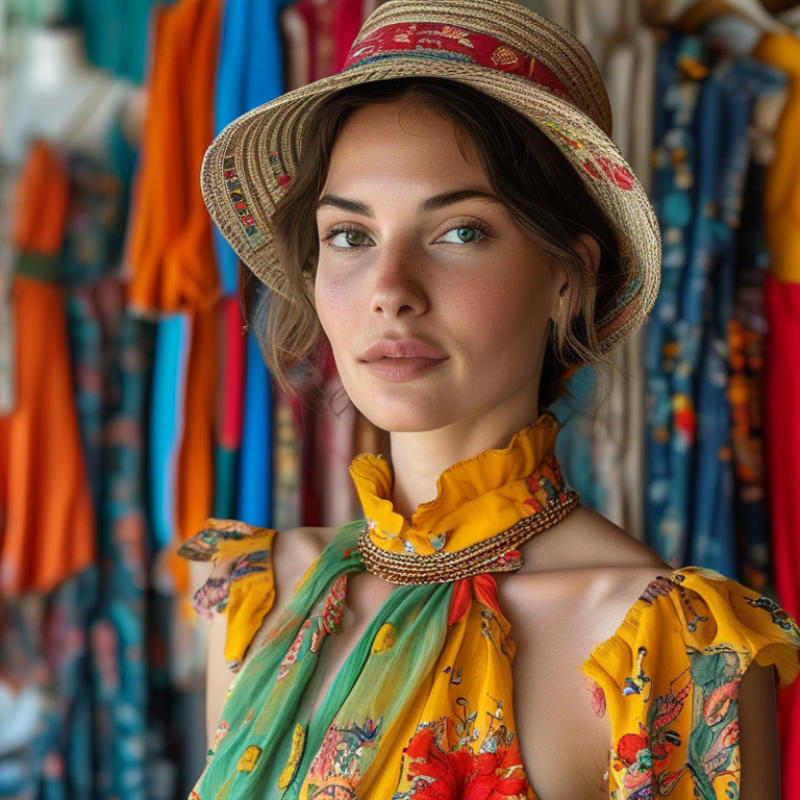
2026 Best Women's Wholesale Clothing Trends for Global Buyers?

2026 Notable Fabric Innovations in Women's Wholesale Clothing

The 2026 women's wholesale clothing industry is set to embrace innovative fabric technologies. Sustainable materials are becoming essential. Eco-friendly fabrics are not just a trend; they are a necessity. Recycled textiles and organic cotton are gaining popularity. These materials appeal to conscious consumers who prioritize the environment.

In addition, smart textiles are emerging. Fabrics that can regulate temperature or monitor health are revolutionizing women's clothing. This innovation offers comfort and practicality, making them attractive choices for buyers. Such features can change how women experience clothing. Consider adding smart fabrics to your inventory for differentiation.

A few tips for buyers: always test the fabric before purchasing. Quality is crucial. Look for suppliers who value transparency in sourcing. It’s important to understand the journey of each fabric. Stay updated on new developments in the industry. Consumer needs evolve quickly, and being informed can set you apart. Keep an eye on trends, but also reflect on what truly appeals to your target market. Balancing innovation with practicality is key for future success.

Emerging Color Palettes for Women's Fashion Trends in 2026

As we look ahead to 2026, emerging color palettes promise to redefine women’s fashion. Natural and muted tones are gaining traction. Think earthy greens and soft browns. Pastels may also see a resurgence, offering a touch of whimsy. These subtle colors reflect a growing desire for calm and connection with nature. Designers are leaning towards these shades to evoke emotional responses.

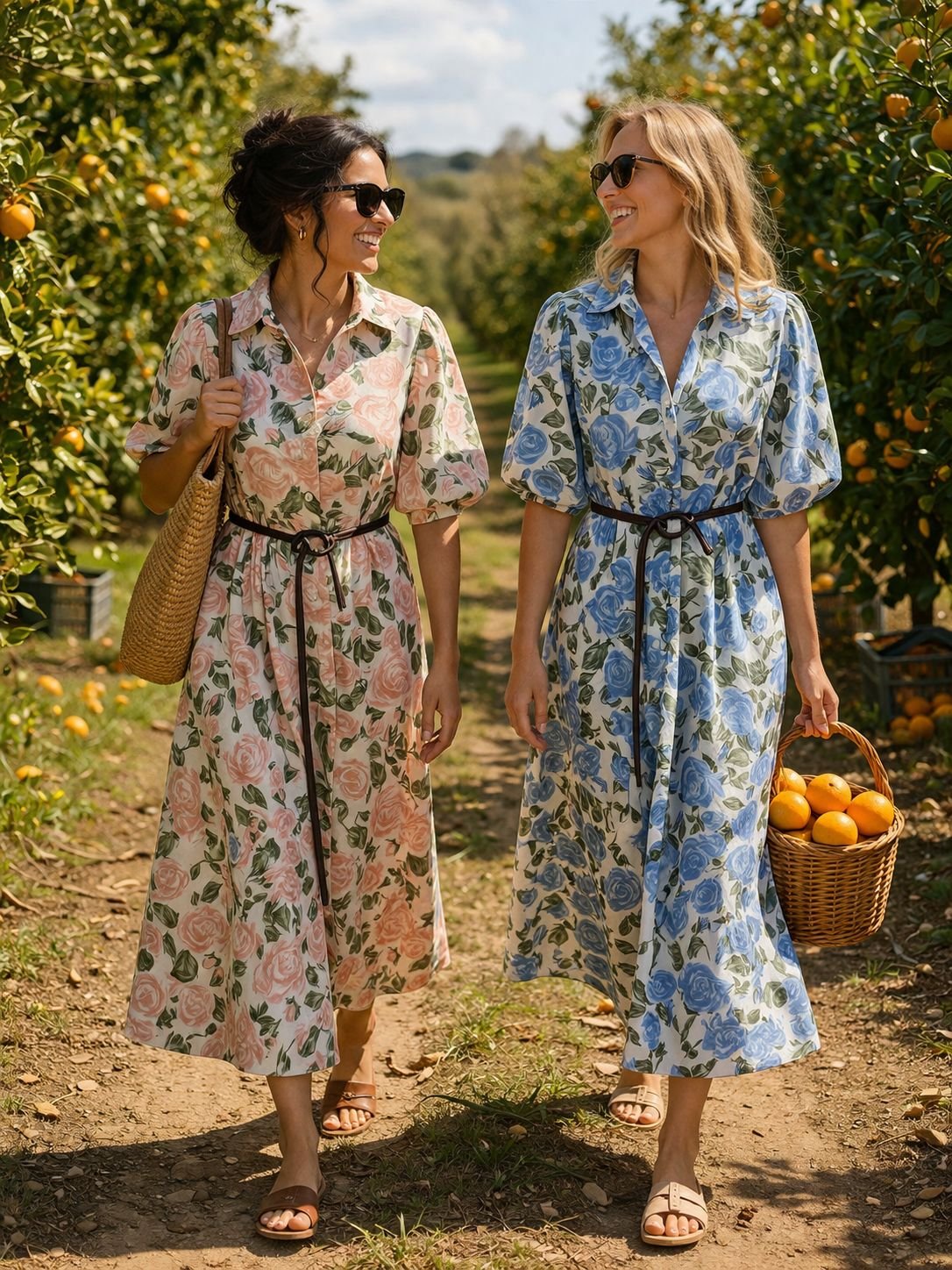
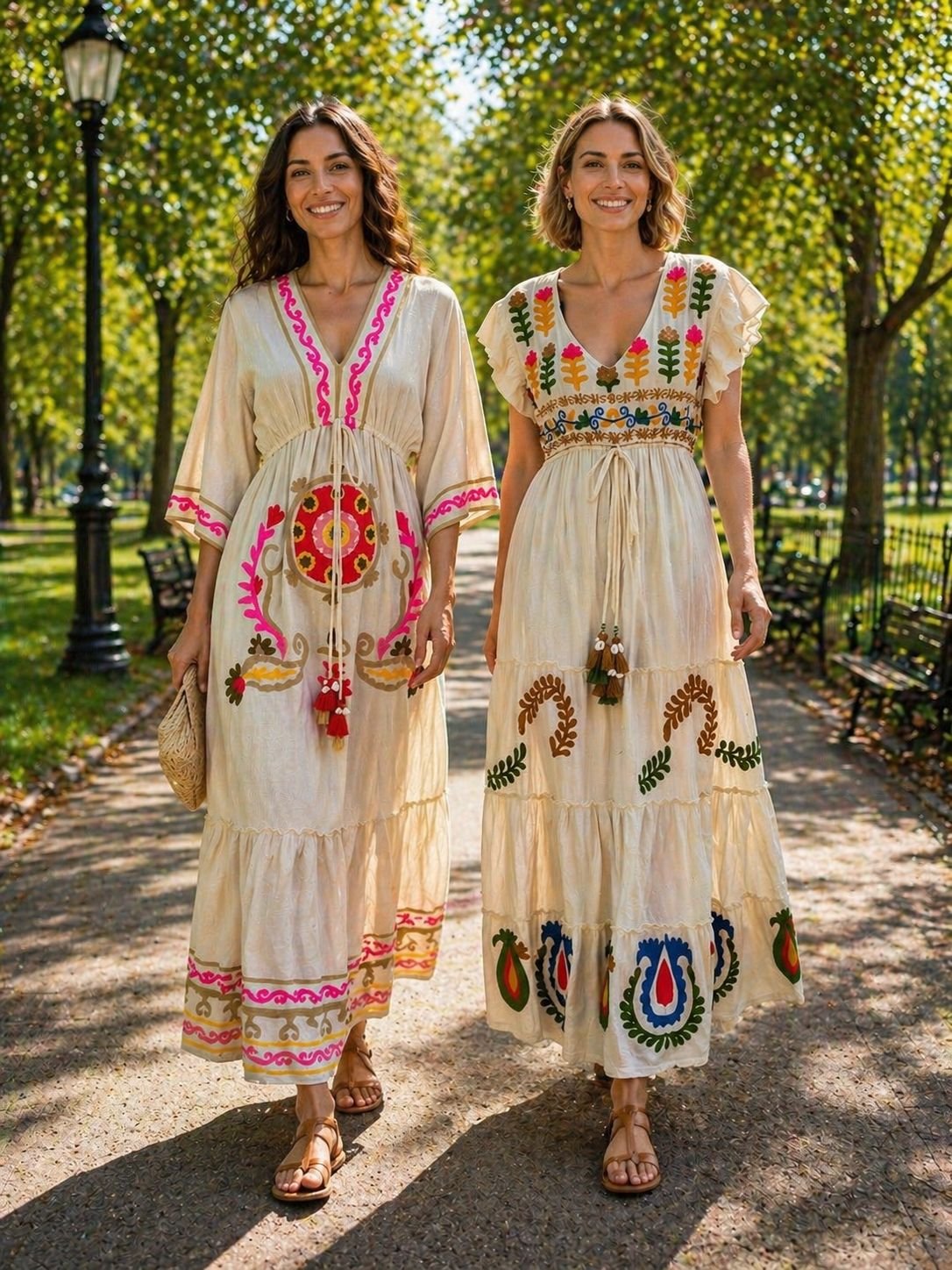
Bold hues are not entirely disappearing. Vibrant pinks and rich blues will still make appearances. They provide a striking contrast against more subdued tones. It will be intriguing to see how brands merge these palettes. Some designs might clash, creating unexpected yet refreshing combinations. These moments of contrast challenge conventions in women's clothing.

The textile industry may face hurdles in color consistency and sustainability. It’s essential to choose dyes that are not harmful. Innovation in this area can enhance the reliability of these color stories. Consumers increasingly demand ethical production practices. This shift forces brands to reflect on their choices. Keeping pace with trends while maintaining integrity will be crucial in the coming years.

Key Styles and Silhouettes Dominating Women's Wholesale Apparel

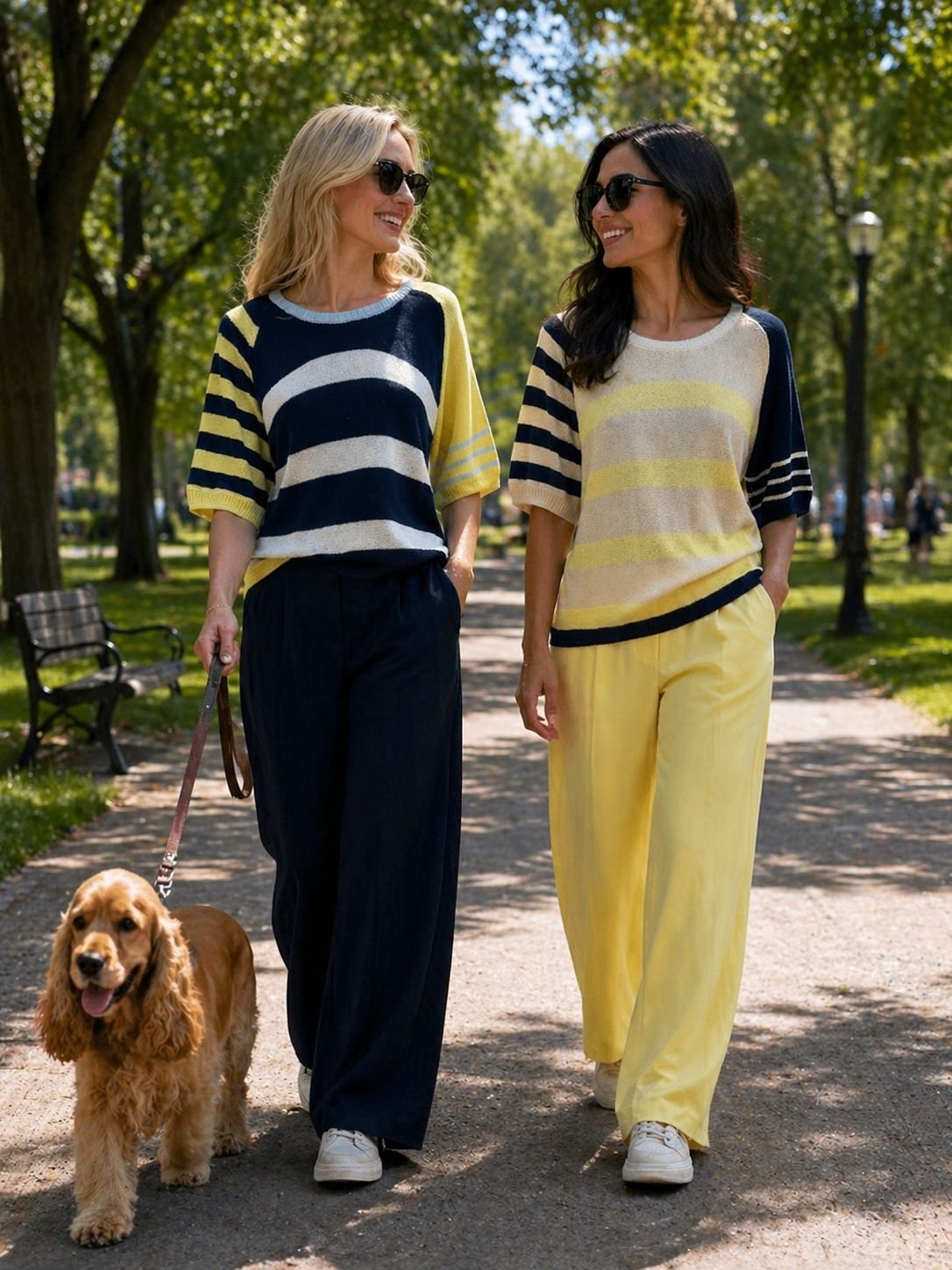
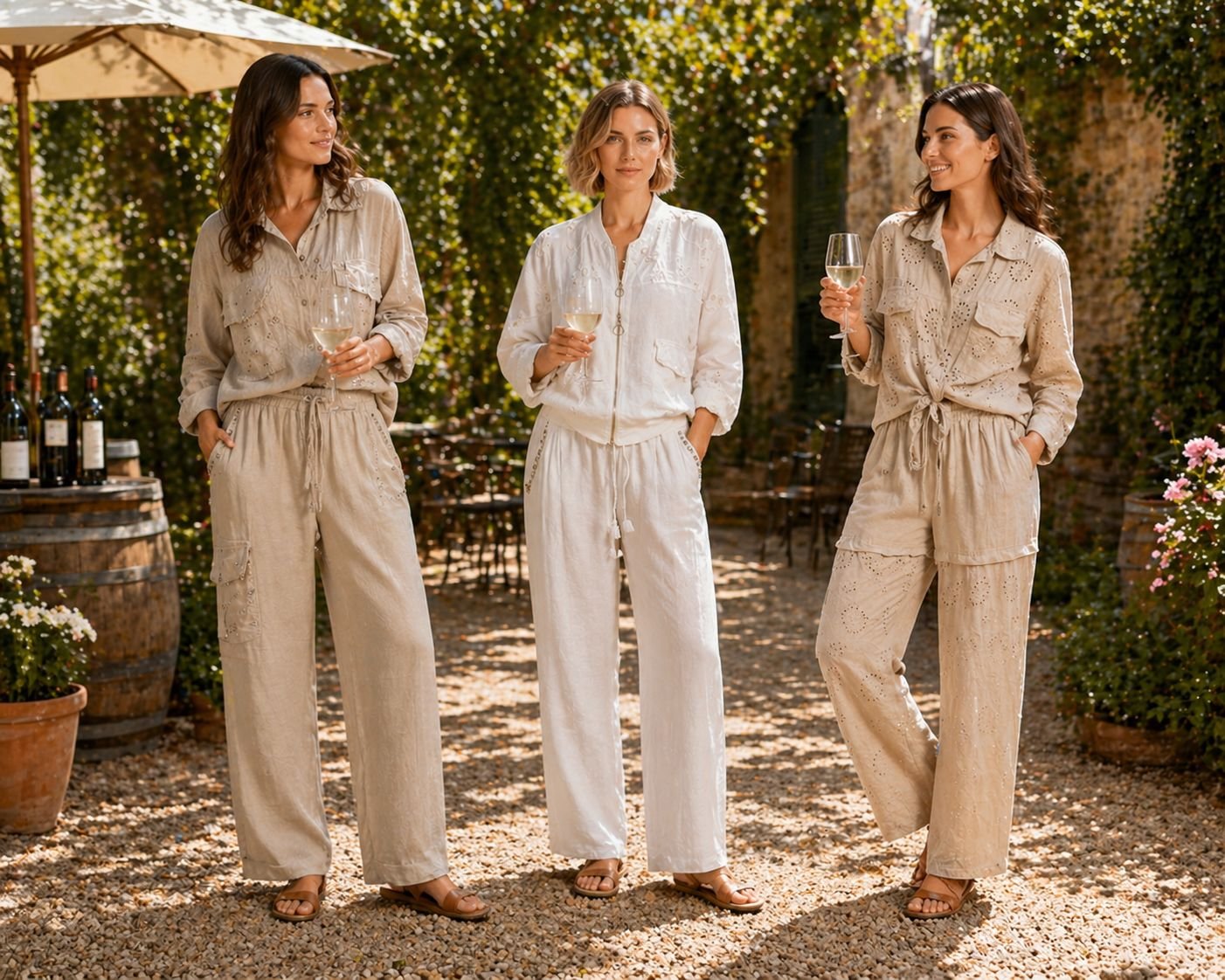
As we move toward 2026, certain styles and silhouettes are emerging in women's wholesale apparel that reflect both innovation and tradition. A key trend is the return of oversized silhouettes. These garments provide comfort while making bold fashion statements. Relaxed-fit jackets and wide-leg trousers are becoming staples, appealing to a diverse customer base. They resonate with women looking for both style and practicality.

Another prominent style is the layered look, which infuses versatility into wardrobes. Think lightweight tunics under structured blazers or flowing skirts paired with fitted tops. Such combinations allow for personal expression. They encourage creativity in styling. However, the challenge lies in ensuring these layers don’t overwhelm the frame. Finding balance is crucial.

Sustainability is also a driving force in shaping these trends. Materials that prioritize eco-friendliness are gaining traction. However, sourcing these materials can complicate the supply chain. For buyers, this means navigating complexities in procurement. Emphasizing quality over quantity may be a necessary adjustment. Ultimately, the evolving landscape of women's wholesale clothing demands a thoughtful approach to design and selection.

Sustainable Practices Shaping the Future of Women's Clothing Markets

Sustainable practices are transforming the women's clothing market. As buyers seek eco-friendly options, many brands are rethinking their supply chains. A recent industry report highlights that 50% of consumers prioritize sustainability when purchasing apparel. This shift impacts not just production but also marketing strategies.

According to the Global Fashion Agenda, over 60% of brands now incorporate sustainable materials into their collections. However, the challenge remains. Many manufacturers still battle the costs associated with sustainable fabric sourcing. Additionally, transparency in sourcing is a growing concern for buyers.

A focus on ethical practices is gaining ground, but progress can be slow. Recent surveys show that nearly 70% of companies lack clear sustainability goals. This gap presents an opportunity for innovation and accountability in the market. Adopting sustainable practices is essential, but it requires continuous effort and reflection on current shortcomings.

2026 Best Women's Wholesale Clothing Trends for Global Buyers

Trend Description Sustainable Practices Target Market
Eco-friendly Fabrics Clothing made from organic, recycled, or biodegradable materials. Use of GOTS-certified organic cotton and recycled polyester. Environmentally conscious consumers.
Upcycled Fashion Creating new garments from pre-existing garments or materials. Reducing textile waste through innovative design. Trendsetters and vintage enthusiasts.
Size Inclusivity Offering a wider range of sizes beyond traditional boundaries. Using digital fitting technology to create better, more inclusive sizes. Diverse consumers seeking inclusivity in fashion.
Minimalist Designs Clothing with clean lines and a focus on function over embellishment. Focusing on quality and timelessness rather than trends. Minimalism enthusiasts and professionals.
Technologically Enhanced Fabrics Fabrics with embedded technology for added functionality. Production processes that minimize energy usage and waste. Active lifestyle consumers and tech-savvy individuals.

Global Sourcing Strategies for Buyers in 2026 Women's Fashion Trends

As we approach 2026, global buyers must adopt innovative sourcing strategies for women's fashion. The market is projected to grow at a compound annual growth rate (CAGR) of 5.9%, reaching $700 billion by 2026. This growth opens significant opportunities for wholesale clothing buyers to tap into emerging trends.

Sustainability is a key focus area. A report from McKinsey indicates that 66% of consumers are willing to pay more for sustainable fashion. This shift urges buyers to explore eco-friendly materials and ethical production methods. Collaborating with suppliers who prioritize sustainability can enhance brand credibility and appeal to eco-conscious consumers. However, sourcing sustainably often presents challenges, such as higher costs and limited availability.

Technological advancements also shape sourcing strategies. The rise of artificial intelligence (AI) in supply chain management enhances efficiency. As per a recent report, companies using AI have seen up to 30% reductions in operational costs. Yet, buying managers may find it difficult to integrate these advanced technologies into existing systems. Embracing these changes can drive long-term benefits, but it may require time and investment.

Buyers must navigate this dynamic landscape thoughtfully. Balancing trends with practical sourcing approaches is crucial for success in the evolving women’s fashion market.

2026 Best Women's Wholesale Clothing Trends

FAQS

: What style is gaining popularity in women's apparel for 2026?

: Oversized silhouettes are trending. They offer comfort and bold fashion statements.

How can layered looks enhance personal expression?

Layering allows creative combinations. For example, pair tunics with blazers for versatility.

What is a key challenge with layering in outfits?

It's crucial to avoid overwhelming the frame. Achieving balance is important.

How is sustainability impacting the women's clothing market?

Many brands are prioritizing eco-friendly materials. This shift is also influencing marketing strategies.

What percentage of consumers prioritize sustainability when buying apparel?

About 50% of consumers focus on sustainability. This trend impacts production choices.

Why is sourcing sustainable materials complicated?

There are cost challenges associated with sustainable fabric sourcing. Transparency is often lacking.

Are most clothing companies setting clear sustainability goals?

Nearly 70% of companies don’t have clear goals. This gap highlights areas for improvement.

How can the market innovate around sustainability?

Companies can adopt ethical practices. Continuous effort and reflection are necessary for progress.

What challenges do buyers face with sustainable apparel?

Navigating supply chain complexities is common. Quality may need to be prioritized over quantity.

Are relaxed-fit pieces becoming staples in women's wardrobes?

Yes, wide-leg trousers and relaxed jackets appeal to many women seeking style and practicality.

Conclusion

The article discusses the anticipated trends in Women's Wholesale Clothing for 2026, highlighting several key areas. Notable fabric innovations are expected to enhance the durability and sustainability of women's apparel, while emerging color palettes will reflect consumer preferences towards bold and earthy tones. Key styles and silhouettes will prioritize comfort and versatility, catering to the modern woman's lifestyle.

Additionally, sustainable practices are becoming increasingly important, shaping the future of the women's clothing market by promoting eco-friendly materials and ethical production methods. Buyers will need to adopt global sourcing strategies to navigate these trends effectively, ensuring they stay competitive in the changing landscape of women's wholesale clothing. This examination of trends will prepare industry stakeholders for a progressive year ahead.

Lila

Lila

Lila is a seasoned marketing professional with a deep expertise in our company's product offerings. With a passion for delivering insightful content, she frequently updates our professional blog, providing readers with valuable information about the industry and our innovative solutions. Lila's......