


Fashion & Wholesale Blog
Insights, trend updates, and expert buying guides for independent boutique owners.
10 Tips for Sourcing Boutique Partywear Wholesale
Table of Contents
Boutique Partywear is entering a sharper, more demanding retail season. Customers want memorable outfits, yet they still compare prices carefully. McKinsey & Company and The Business of Fashion project only 2–4% global fashion growth in 2025. That modest outlook makes wholesale decisions more important than ever.
Partywear buyers must judge more than sequins and attractive photographs. They need dependable sizing, fabric quality, delivery timing, minimum order quantities, and useful margin potential. Circana’s apparel tracking also shows how cautious consumers remain about discretionary spending. A glittering dress may attract attention, but poor stitching creates returns, complaints, and silent damage to a boutique’s reputation.
Fashion designer Christian Siriano has said, “Fashion is about having fun.” That spirit matters here. However, fun should not replace evidence. A buyer should inspect close-up images, request samples, test zippers, and confirm whether lining feels comfortable under warm lights. Small details matter.
This guide offers ten practical tips for sourcing Boutique Partywear wholesale. It connects trend awareness with commercial discipline. Expect guidance on supplier checks, seasonal buying, fit consistency, and responsible product selection. There is no perfect formula. A low price can hide weak quality, while a beautiful sample can fail at scale. That uncomfortable gap deserves attention. Retailers sometimes rush because a trend feels urgent. That is understandable, but costly. Careful sourcing may feel slower. It often prevents the most expensive mistakes.
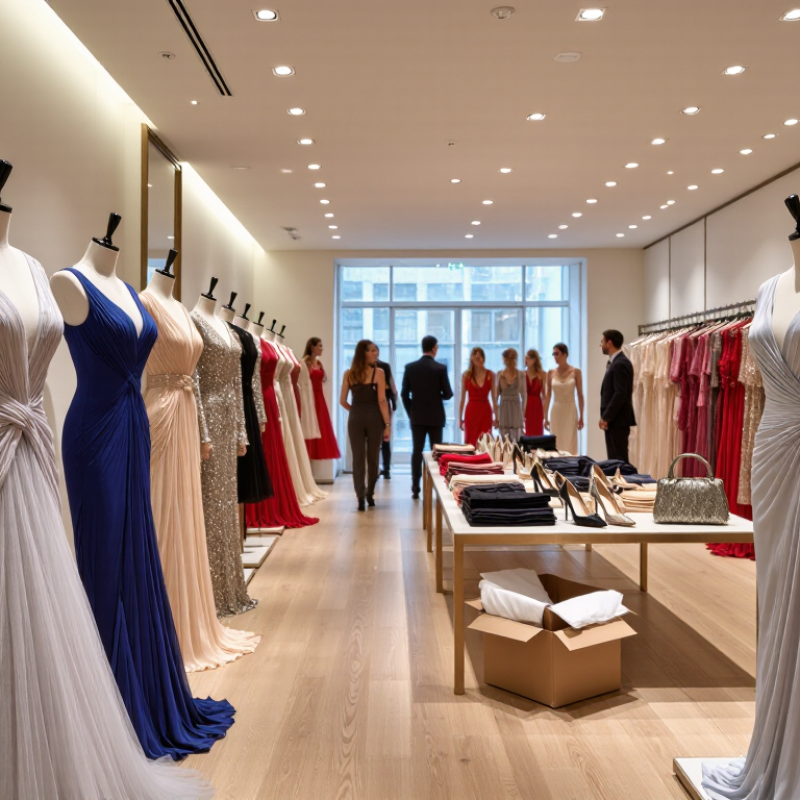
Define Your Boutique Partywear Sourcing Requirements
Successful partywear sourcing begins with a precise product brief. Describe your customer, event type, preferred sizes, colors, fabrics, and target price. A satin midi dress for evening receptions needs different details from a sequined set for club events. Record acceptable measurements, lining requirements, closure types, and decoration limits. Small omissions can create expensive revisions later.
Tip: Build a one-page sourcing sheet. Include target quantity, minimum order expectations, delivery window, packaging needs, and inspection standards. Request fabric swatches and measurement charts before approving samples. Check stitching around zippers, shoulder seams, hems, and embellishments. Ask suppliers how they manage color consistency across production batches. Reliable communication matters as much as attractive photographs.
Leave room for practical compromise. Very low quantities may increase unit costs or limit custom options. Complex beadwork can also extend production time. I once treated a polished sample as proof of bulk consistency; that assumption was too optimistic. Require a documented pre-production sample and clear approval records instead. Confirm care labels, fiber information, and product documentation meet your sales-market requirements. Keep written records of agreed specifications, revisions, inspection results, and delivery dates. This creates accountability and helps you compare suppliers fairly.
10 Tips for Sourcing Boutique Partywear Wholesale: Define Your Boutique Partywear Sourcing Requirements
Before contacting wholesale suppliers, rank the requirements that most directly affect product suitability, buying risk, and delivery planning. The scores below are practical planning weights out of 100, not company or brand data.
Use the highest-priority requirements to prepare a clear supplier brief. Confirm occasion suitability, size coverage, fabric and trim details, minimum order quantities, lead times, and quality-control procedures before placing a wholesale order.
Find and Evaluate Reliable Wholesale Suppliers
10 Tips for Sourcing Boutique Partywear Wholesale
Find and Evaluate Reliable Wholesale Suppliers
Reliable sourcing starts with evidence, not attractive product photos. Search for suppliers with clear business details, stable communication, and documented production experience. Request current fabric samples, size charts, stitching photos, and a small trial order. A glittering image can hide uneven hems.
Compare at least three suppliers before making a decision. Check minimum order quantities, sample fees, production timelines, packaging details, and shipping terms. Ask how they handle damaged items or measurement errors. Their response speed matters, but careful answers matter more. Vague promises deserve caution.
Inspect every sample under bright light. Check zipper movement, lining comfort, seam strength, and color consistency. Measure the garment yourself against the supplier’s chart. One supplier may label a dress “medium” while another cuts it much smaller. Keep written records of prices, revisions, and agreed delivery dates. This prevents memory-based disputes.
A dependable supplier should explain material content and care instructions clearly. Request relevant quality documents where appropriate, and confirm that products meet the rules of your selling market. Never rely only on a polished website or enthusiastic sales language. I once treated fast replies as proof of reliability; that judgment was too simple. A slower supplier with precise records proved more dependable. Build trust gradually, and leave room for mistakes in your purchasing schedule.
10 Tips for Sourcing Boutique Partywear Wholesale - Find and Evaluate Reliable Wholesale Suppliers
| No. | Sourcing Tip | What to Check | Useful Evaluation Data | Warning Signs |
|---|---|---|---|---|
| 1 | Define the target customer and occasion | Specify the intended events, customer age range, preferred silhouettes, size range, fabric preferences, and acceptable retail price. | Create a buying brief with at least 3 occasion categories, such as cocktail, evening, and celebration wear, plus a target cost-to-retail ratio. | A supplier recommends products without asking about your customer, price point, sizing, or sales channel. |
| 2 | Verify product specialization | Review the supplier's current partywear range, construction details, fabric knowledge, and experience with embellished or delicate garments. | Compare at least 10 relevant styles and record fabric composition, lining, closures, embellishment method, and available colors. | Only generic catalog images are provided, or the supplier cannot explain material content and garment construction. |
| 3 | Request samples before placing a bulk order | Inspect the actual garment for fit, stitching, fabric feel, color accuracy, lining, sparkle security, and finishing. | Order 1 sample per shortlisted style where possible; compare sample measurements with the supplied size chart and document any variance. | The supplier refuses sampling, substitutes materials without approval, or sends a sample that differs substantially from the listing. |
| 4 | Check minimum order quantities | Confirm the minimum quantity per style, color, and size, together with any mixed-size or mixed-color rules. | For an initial test, prioritize suppliers offering low or flexible MOQs, often around 12–50 pieces per style, depending on production method. | The MOQ is not stated in writing, changes after quotation, or requires a large commitment before product validation. |
| 5 | Evaluate size and measurement consistency | Review the measurement chart, grading between sizes, stretch allowance, and fit notes for different body shapes. | Measure the sample at key points, including bust, waist, hip, shoulder, and garment length; record deviations against the approved chart. | Measurements are missing, size labels do not match the chart, or the supplier dismisses documented fit discrepancies. |
| 6 | Calculate the complete landed cost | Include unit price, sample fees, packaging, freight, duties or taxes, payment fees, inspection costs, and possible alteration or defect costs. | Use the formula: landed cost = product cost + transport + import charges + handling fees. Compare at least 3 written quotations on the same basis. | A very low unit price excludes shipping, packaging, customs-related charges, or other fees revealed only at checkout. |
| 7 | Confirm lead times and production capacity | Ask about sample production, bulk production, peak-season capacity, restocking, and dispatch schedules. | Record each stage separately; a sample may take about 3–14 days and bulk production may take several weeks, depending on complexity and order size. | Only a vague delivery promise is given, production dates are not confirmed, or the supplier cannot explain delay procedures. |
| 8 | Review quality-control procedures | Ask how materials, measurements, stitching, embellishments, stains, loose threads, and packaging are checked before dispatch. | Request a written inspection checklist and agree on acceptable defect standards, inspection timing, and photo or video evidence requirements. | No documented inspection process exists, or quality disputes are handled only through informal promises. |
| 9 | Assess communication and documentation | Evaluate response clarity, quotation accuracy, invoice details, material declarations, shipping documents, and ability to communicate in writing. | Score each supplier from 1–5 for response speed, completeness, accuracy, and issue resolution; retain all approvals in writing. | Prices, specifications, or delivery terms change across messages without a revised quotation or written confirmation. |
| 10 | Use secure payment and a small trial order | Review payment protection, refund terms, replacement policy, delivery responsibility, and the process for reporting defects. | Start with a manageable trial quantity, use traceable payment methods, and expand only after quality, delivery, and sell-through results are verified. | The supplier pressures you to pay urgently, requests payment to an unrelated account, or avoids written terms for refunds and replacements. |
Note: Lead times, minimum order quantities, shipping costs, and payment terms vary by supplier, garment complexity, order volume, and destination. Confirm all commercial details in writing before placing a bulk order.
Compare Fabrics, Designs, Quality, and Seasonal Trends
When sourcing boutique partywear wholesale, compare fabrics before admiring the photographs. Satin can look luxurious, but poor grades crease quickly under store lighting. Velvet needs dense fibers, even color, and a smooth reverse side. Stretch mesh should recover after pulling, not remain loose. Request swatches and test them under warm and cool light. I once trusted a glossy sample that felt thin in person. That mistake changed my buying process.
Tip 1: Match fabric weight to the season. Lightweight chiffon suits summer events, while velvet and lined crepe support colder collections. Check breathability, seam strength, and colorfastness. A simple rub test can reveal early damage. Still, fabric performance varies between batches, so one sample is not absolute proof.
Tip 2: Compare designs by construction, not decoration. Inspect zipper alignment, hem consistency, lining coverage, and bead attachment. A dramatic sleeve may sell well, but it can restrict movement on the dance floor. Offer varied lengths, necklines, and adjustable details for different customers. Review seasonal trends carefully, since copying every popular detail can leave a collection feeling temporary. I sometimes overestimate bold colors; neutral partywear often sells longer than expected. Ask suppliers for production photos, measurement charts, and inspection records before confirming quantities. Small quality gaps become expensive returns.
Review Pricing, Minimum Orders, and Wholesale Terms
When sourcing boutique partywear wholesale, pricing deserves more than a quick comparison. Ask whether the quoted price includes packaging, labeling, and quality checks. A sequined dress may look affordable until special packing adds unexpected costs. Request prices for several quantities, such as 20, 50, and 100 units. Volume discounts should be clear and realistic.
Minimum order quantities can shape your cash flow. Some suppliers set one MOQ per style, while others combine colors and sizes. Confirm the minimum for each option in writing. Ask about sample charges and whether they are credited after a bulk purchase.
I once underestimated size gaps and ordered too many medium pieces. The lesson was expensive. Review your customer data before committing.
Wholesale terms need careful reading. Confirm payment stages, production time, shipping responsibility, and inspection procedures. A 30% deposit may be common, but the remaining balance should match agreed milestones. Check how defective items, missing units, or delayed shipments are handled. Keep every promise in one written document. Verbal assurances can disappear. Also review currency, taxes, and return conditions with a qualified trade professional. Leave room for mistakes, especially during your first seasonal order.
Order Samples and Verify Delivery, Compliance, and Support
When sourcing boutique partywear wholesale, order physical samples before committing to production. Photos can hide stiff lining, weak zippers, uneven hems, or inaccurate colors. Request the exact fabric, trims, measurements, packaging, and size range used for bulk production. Keep records.
I once treated a polished sample as proof of consistent quality. That assumption was costly. The approved sample had neat stitching, but several later pieces showed loose threads and different sequin placement. Add inspection points to the purchase agreement, including measurements, color tolerance, seam strength, and acceptable defect limits. Details matter.
Verify the delivery schedule in writing, including production time, dispatch date, shipping method, and responsibility for delays. Ask whether the supplier can provide tracking and packing photographs before shipment. Compliance also needs careful checking. Confirm fiber-content labels, care instructions, country-of-origin details, and safety requirements for your destination market. Requirements may differ by product and location, so consult a qualified compliance professional when uncertain.
Support quality matters after payment. Ask how quickly questions receive replies and who handles shortages or damaged cartons. A supplier should offer a clear process for claims, replacement, or agreed credits. Ask directly. Test support before ordering by sending practical questions, not only price requests. Slow replies during sampling may become slower after a deposit. Keep every approval, revision, and delivery promise in one shared file. I still miss details sometimes, so another person reviews the file before purchase.
FAQS
Describe the customer, event, sizes, colors, fabrics, target price, quantity, and delivery window. Include lining, closures, measurements, and decoration limits. Small gaps matter.
Record minimum order expectations, packaging needs, inspection standards, and approved measurement charts. Add acceptable tolerances for hems, seams, zippers, and embellishments.
Swatches reveal texture and color more accurately than photographs. Samples show fit, stitching, lining, and decoration quality before larger production begins.
Inspect shoulder seams, zippers, hems, and embellishments. Ask how color consistency is controlled across production batches. Do not guess.
Very small orders may raise unit costs or reduce customization options. Complex beadwork can extend production time. Practical compromises may protect the delivery schedule.
Ask whether packaging, labeling, and quality checks are included. Request prices for 20, 50, and 100 units. A low quote can hide extra costs.
Confirm whether the minimum applies per style, color, or size. Ask about sample charges and possible credits after bulk purchasing. Review customer data carefully.
Confirm deposits, balance milestones, production time, shipping responsibility, inspections, defects, shortages, delays, currency, taxes, and returns. Verbal promises are easy to forget.
Keep written specifications, revisions, approvals, inspection results, and delivery dates. I once trusted a polished sample too quickly. That assumption needed more evidence.
Conclusion
Sourcing Boutique Partywear successfully begins with clear requirements. Define your target customers, preferred styles, size range, budget, materials, and seasonal needs before contacting suppliers. Look for wholesale partners with consistent production capabilities, transparent communication, positive trade references, and experience serving boutique retailers. Compare fabrics, construction, embellishments, colors, silhouettes, and current seasonal trends to ensure each item matches your store’s identity while offering customers distinctive choices.
Before placing a larger order, carefully review wholesale pricing, minimum order quantities, payment terms, customization options, return policies, and expected lead times. Request samples to assess fit, stitching, fabric feel, color accuracy, packaging, and overall finish. You should also confirm delivery arrangements, product labeling, quality-control procedures, and the supplier’s ability to provide responsive after-sales support. A structured evaluation process helps reduce purchasing risks, maintain reliable inventory, and build a polished Boutique Partywear collection that balances quality, originality, and profitability.

Blog Tags: