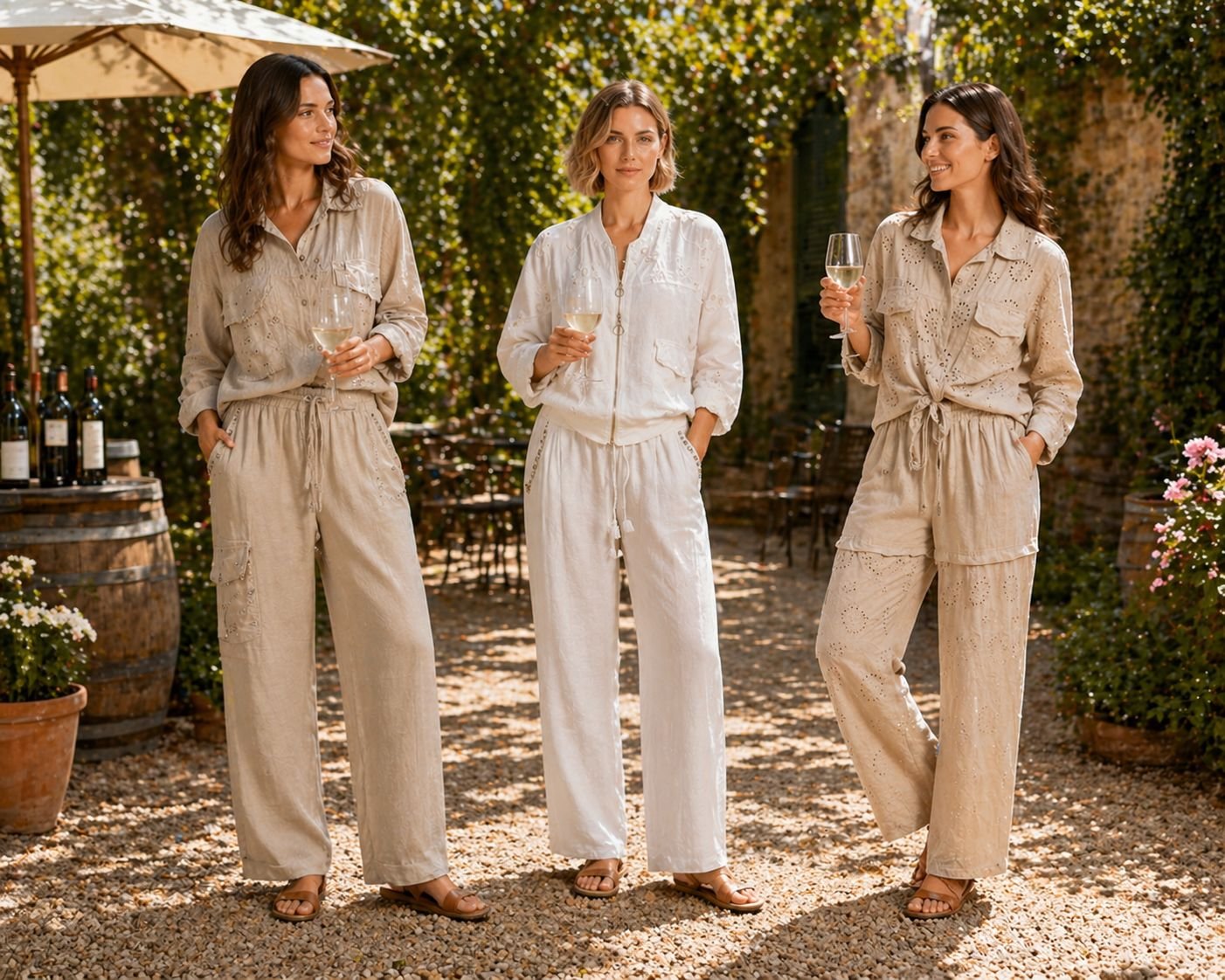
Voyage Paris Fashion Journal — Boutique Insights & Trends
French & Italian Wholesale Fashion Journal
Voyage Paris Boutique Buying Insights
Ladies Wholesale Boutique Fashion Advice London

Fashion & Wholesale Blog

Insights, trend updates, and expert buying guides for independent boutique owners.

0%

Finding dependable Boho Chic Womenswear suppliers in China takes more than searching for pretty prints. Buyers need to assess construction, fabric consistency, communication, and a supplier’s ability to repeat a successful sample. A flowing rayon dress may look effortless on a product page, yet its drape, stitching, and colorfastness tell a fuller story.

Yves Saint Laurent, the influential fashion designer, said, “Fashions fade, style is eternal.” That thought fits boho clothing, where recognizable details—embroidered panels, earthy palettes, tassels, and relaxed silhouettes—must still feel wearable and well made. Guangzhou can offer access to apparel manufacturers and trading companies, while fabric markets around Shaoxing may help buyers explore prints and materials. These locations are useful starting points, not guarantees of quality.

Look for suppliers who answer specific questions about minimum order quantities, sample timelines, fabric composition, and production checks. Ask for close-up photos, request a sample, and compare it with the approved specifications before discussing a larger order. Small details matter. A loose thread is easy to spot; inconsistent sizing across a whole shipment is harder to fix. Trade fairs and verified B2B platforms can help build a shortlist, but listings alone are not proof of capability.

This guide examines where to find potential partners, how to compare their strengths, and what to verify before placing an order. No sourcing route is perfect. Supplier information can be incomplete, and a polished sample may not represent every production run. Careful checks make the search more grounded.
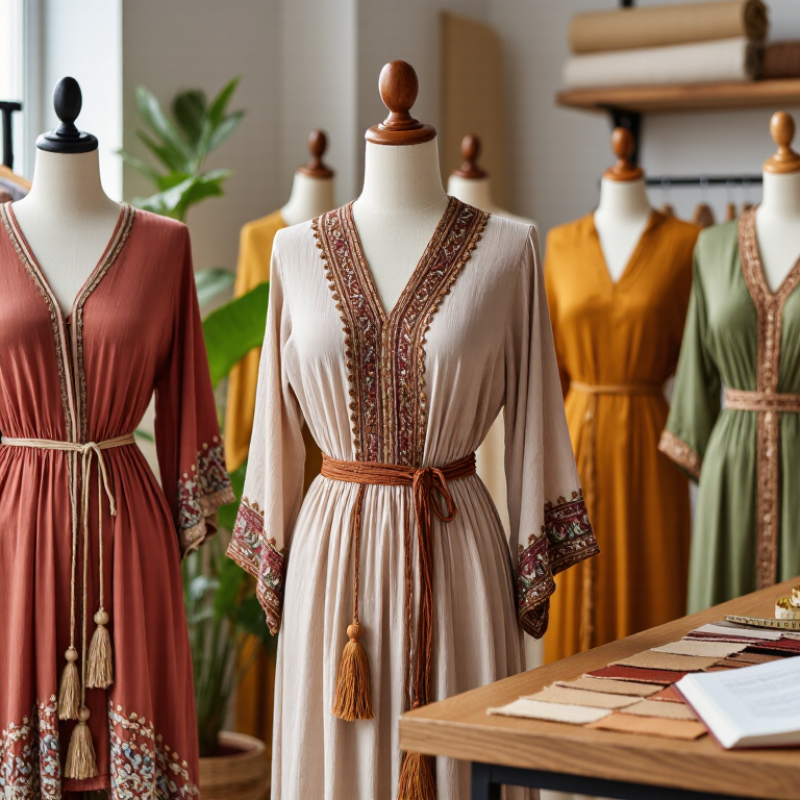
Where to Find Top Boho Chic Womenswear Suppliers in China?

What Defines Boho Chic Womenswear and Its Key Product Categories?

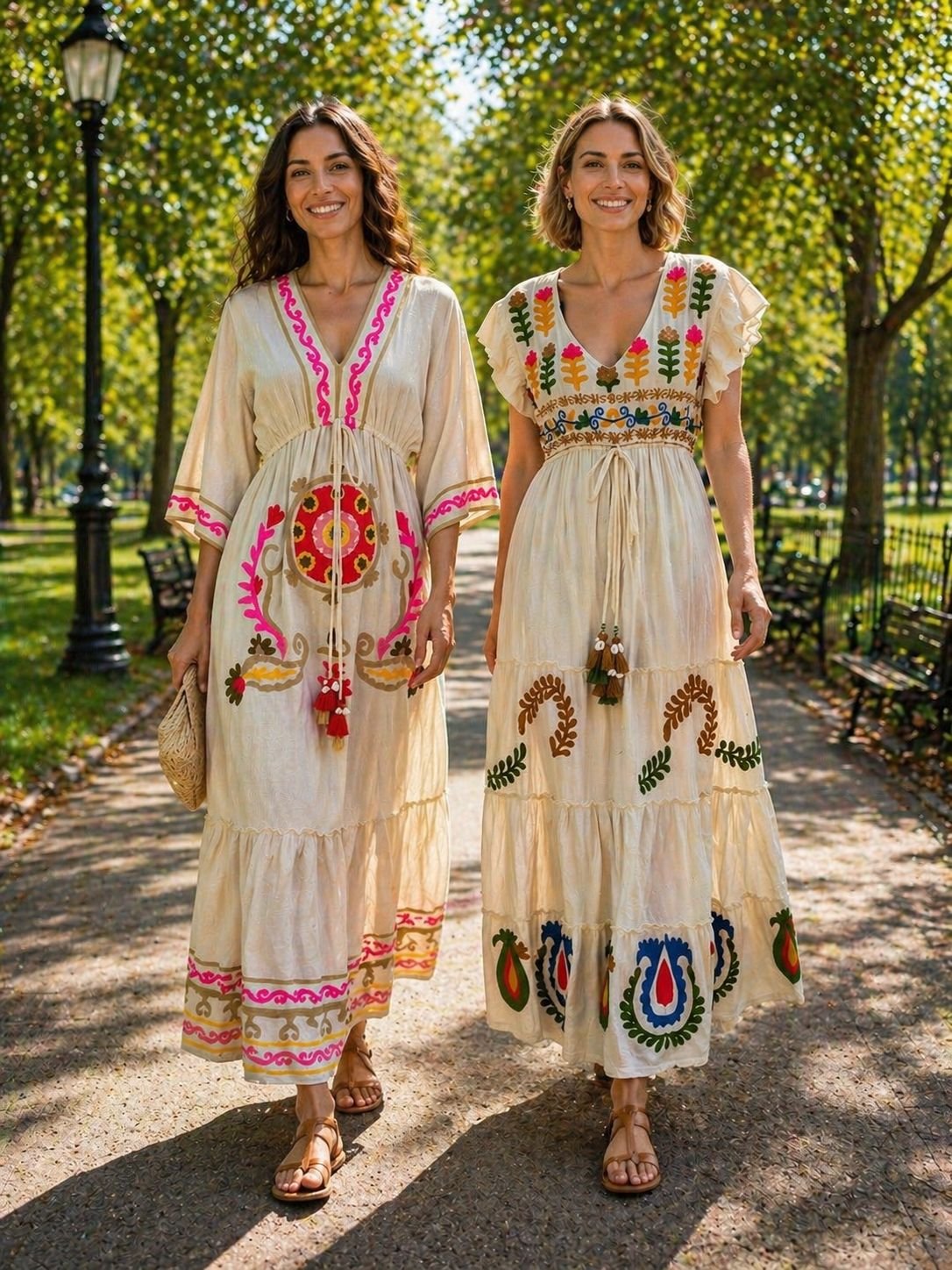
Boho chic womenswear blends relaxed silhouettes, natural-looking textures, and decorative details without relying on a single uniform style. Common cues include flowing sleeves, loose tiers, earthy colors, floral or paisley prints, crochet panels, and subtle embroidery. Lightweight cotton and viscose are frequent choices for warm-weather pieces, while textured knits and soft jackets extend the look into cooler seasons.

The balance matters. Too many trims can make a garment feel heavy, and pale fabrics may need lining to prevent show-through.

Key product categories include maxi and midi dresses, embroidered blouses, peasant tops, tiered skirts, wide-leg trousers, and relaxed outerwear. Dresses often use gathered waists or adjustable ties, making fit more flexible across customers. Blouses may feature tassels or pintucks, but stitching should remain neat around stress points.

Small details reveal a lot.

For buyers assessing suppliers in China, request fabric composition, garment measurements, close-up construction photos, and a physical sample before confirming an order. Compare color consistency and print placement across sizes, not just in a polished product image. A sample can still miss real-world wear: sleeves may catch, or a loose weave may snag.

That deserves a second look.

Which Chinese Regions and Markets Specialize in Boho Chic Fashion?

Guangzhou is a practical starting point for ready-to-wear boho chic. Shisanhang and Shahe wholesale districts offer printed dresses, crochet-look tops, loose trousers, and seasonal accessories. Hangzhou’s Sijiqing market has a broad women’s wear selection, with styles and order terms varying by supplier. Ask for fabric composition, size charts, and sample costs before comparing quotes. Details matter.

For fabric sourcing, visit Keqiao in Shaoxing, where textile markets make it easier to compare printed cotton, rayon, lace, and lightweight woven fabrics. The China National Textile and Apparel Council reported that China’s textile and apparel exports reached about US$293.6 billion in 2023. This signals substantial manufacturing capacity, not guaranteed quality from any individual seller. McKinsey and The Business of Fashion’s State of Fashion 2024 report projected 2–4% growth for the global fashion industry that year, making flexible assortment planning useful. Still, “boho” is not a consistent technical category. A floral print can look right online but feel too stiff in hand. Request swatches, inspect stitching, and confirm repeat-order lead times in writing.

What Types of Suppliers Offer Boho Chic Womenswear in China?

China’s boho chic womenswear suppliers generally fall into three groups. Full-package factories handle fabric sourcing, sampling, sewing, and packing, making them suitable for coordinated collections. Specialist workshops focus on details such as crochet panels, hand-style embroidery, smocking, or tassel finishing. Their craftsmanship can be strong, but capacity may be limited. Trading and sourcing companies connect buyers with several factories and can simplify communication, though each production site should be checked.

China Customs data, compiled by the China Chamber of Commerce for Import and Export of Textiles, put textile and apparel exports at about US$301.1 billion in 2024. This scale reflects a broad manufacturing base, not guaranteed expertise in boho styles. Ask suppliers for close-up photos of seams, lining, and embellishments, plus fabric swatches and a pre-production sample. A catalogue can look convincing; it is not proof of consistent bulk quality. Small runs vary.

Tips: Match the supplier to your order size and construction needs. Confirm minimum quantities, sample costs, lead times, and who controls fabric substitutions. For crochet or embroidery, request a wash-tested sample and inspect loose threads and color consistency. Keep the specification sheet precise; even the placement of a tassel can shift between samples.

How Can You Evaluate and Verify Potential Suppliers?

When evaluating boho chic womenswear suppliers in China, verify the factory behind the sales contact. Ask for its business license, production address, and a live video walkthrough. Check whether the same site can handle embroidery, crochet, garment washing, and printed fabrics. Request recent audit documents, noting the audit date, facility covered, and any corrective actions. Paperwork is not proof. Compare it with production photos and, where possible, speak with a current or former buyer. Order samples in your intended fabric and color. Measure shrinkage, seam strength, colorfastness, and embroidery consistency after washing. A polished sample can mislead.

Use industry data to guide material checks. Textile Exchange’s Materials Market Report 2023 estimated global fiber production at 116 million tonnes in 2022, with polyester making up 54 percent. Ask suppliers to identify fiber content and provide supporting purchase or transaction records; vague “natural” claims need follow-up. The Fashion Transparency Index 2023 assessed 250 major fashion companies and reported an average transparency score of 26 percent. That measures public disclosure, not the reliability of an individual factory. Treat supplier claims as leads, then verify them with dated documents, production-floor evidence, and a small trial order. I would also check capacity against your delivery calendar, though forecasts can still be wrong.

How to Evaluate and Verify Boho Chic Womenswear Suppliers in China

A practical 100-point evaluation framework for comparing potential suppliers. These are suggested planning weights, not survey results or claims about any specific supplier.

Verify claims with evidence: request product samples and specification sheets, check relevant certificates with their issuers, review audit records where applicable, and confirm capacity, minimum order quantities, lead times, and quality-control procedures in writing. Adapt the weights to your product and sourcing priorities.

How Do You Source and Order Boho Chic Womenswear from China?

To source boho chic womenswear from China, start with a clear product brief, not just inspiration photos. Specify fabric composition, weight, colors, embroidery placement, sizing, labels, and packaging. For a tiered viscose dress, include a reference for print scale and a close-up of the seam finish. Ask each supplier whether it is a factory or trading company, and request recent product samples and relevant material test reports. China’s textile and apparel exports reached about US$293.6 billion in 2023, according to figures reported by the China National Textile and Apparel Council. That scale offers options, but it does not guarantee a good match.

Compare written quotations on the same basis: unit price, minimum order quantity, sample fee, production time, and shipping terms. Request a pre-production sample before approving bulk production. Check drape, color, lining, and embroidery by hand; photos can hide scratchy threads and uneven stitching. Small details matter. Textile Exchange’s Materials Market Report 2024 estimates that polyester made up 57% of global fiber production in 2023. If choosing viscose, cotton, or recycled fibers, state the exact composition and required documentation rather than relying on broad labels.

Before paying a deposit, confirm the approved sample, size chart, tolerances, inspection points, and delivery schedule in writing. Arrange an in-process or pre-shipment inspection, especially for mixed techniques such as crochet trim and printed fabric. I would not treat a polished sample as proof of bulk consistency; that assumption can be costly. Leave time for revisions, since embroidery colors and fabric hand-feel may differ between sample and production lots.

Where to Find Top Boho Chic Womenswear Suppliers in China? — How Do You Source and Order Boho Chic Womenswear from China?

Sourcing Focus Where or How to Search What to Look For Recommended Buyer Action
Guangzhou apparel sourcing Apparel markets, garment factories, and sourcing services in Guangzhou, Guangdong A large apparel trading and manufacturing ecosystem, with suppliers offering a range of womenswear styles and production services. Ask whether the supplier is a manufacturer, trading company, or both. Request examples of relevant woven garments, embroidery, and printing.
Hangzhou womenswear Womenswear suppliers and fashion trade channels in Hangzhou, Zhejiang A recognized womenswear and fashion-sourcing hub. Suppliers may differ in their strengths, production capacity, and willingness to develop custom designs. Compare suppliers using the same tech pack and ask which operations—such as cutting, sewing, and finishing—are handled in-house.
Dongguan garment production Garment manufacturers and export-oriented sourcing networks in Dongguan, Guangdong A manufacturing location to consider when looking for cut-and-sew production. Capabilities vary by factory and product category. Confirm experience with your specific fabric, garment construction, trims, and order quantity rather than relying on general factory claims.
B2B sourcing platforms Established business-to-business marketplaces and online supplier directories Useful for building an initial shortlist and comparing stated product ranges, customization options, and supplier responses. Online listings do not by themselves verify factory capability. Request a business profile, production photos or video, references where available, and a live factory walkthrough. Independently verify important claims.
Trade fairs and sourcing agents Apparel trade fairs, textile exhibitions, or an independently vetted sourcing agent In-person discussions can help buyers assess samples and communicate specifications. An agent may assist with translation, supplier visits, and production follow-up. Define the agent’s scope and fees in writing. Keep control of approved samples, specifications, payment terms, and final supplier decisions.
Boho product capability Evaluate each supplier against your target styles and materials Boho-inspired womenswear may involve flowy silhouettes, woven fabrics, prints, embroidery, lace, or decorative trims. These features are not evidence of a supplier’s capability on their own. Share a tech pack with sketches, measurements, fabric composition, colors, construction details, labels, and trim requirements. Ask for relevant production samples.
Sample development Request a prototype or pre-production sample before bulk ordering A sample helps assess fit, fabric hand feel, color, workmanship, and finishing. Sample charges and development times vary by supplier and design complexity. Record comments clearly, approve a final reference sample, and confirm any sample charge, revision limits, and timeline in writing.
Pricing and order terms Request a written quotation based on the same order specification Price, minimum order quantity, production time, and payment terms depend on the factory, fabric, customization, order volume, and season. Compare itemized quotes. Confirm the currency, quantity by style and color, packaging, delivery terms, payment schedule, and what happens if agreed specifications are not met.
Quality and compliance Agree on inspection criteria and destination-market requirements before production Garment quality can be checked against measurements, sewing, fabric defects, color consistency, trims, and labeling. Applicable labeling and product rules depend on the destination market. Put measurable acceptance criteria in the purchase order. Arrange an inspection before shipment and confirm required fiber-content, care, origin, and other destination-specific labels.
Purchase order and shipping Issue a written purchase order after supplier and sample approval An order record should identify the approved product, quantities, specifications, price, schedule, packing details, and delivery arrangement. Check the final order against the approved sample and quotation. Confirm shipping documents, carton details, shipment responsibility, and any required import documentation with your logistics provider.

Note: Supplier capabilities, minimum order quantities, prices, and lead times vary. Verify current details directly with each supplier before placing an order.

FAQS

What defines boho chic womenswear?

It often combines relaxed shapes, earthy colors, flowing sleeves, and decorative details. Think soft tiers, crochet panels, or subtle embroidery. Less can be better.

Which clothing categories commonly fit this style?

Maxi and midi dresses, peasant tops, embroidered blouses, tiered skirts, wide-leg trousers, and relaxed jackets are common choices. Small details matter.

Which fabrics are often used for boho chic pieces?

Lightweight cotton and viscose suit warm-weather clothing. Textured knits and soft jackets can extend the look into cooler seasons. Check the fabric label.

What should buyers inspect on a sample garment?

Check seams, lining, embroidery, and tassel attachment. Try moving your arms to see whether sleeves catch. A photo is not enough.

How can buyers check fabric and print consistency?

Request fabric swatches and compare print placement across sizes. Pale fabrics may need lining to prevent show-through. Lighting can be misleading.

What types of suppliers make these garments in China?

Full-package factories manage sourcing through packing. Specialist workshops focus on details like crochet or smocking. Trading and sourcing companies connect buyers with factories.

What should buyers confirm before placing an order?

Confirm minimum quantities, sample costs, lead times, and who approves fabric substitutions. Put measurements and trim placement in a clear specification sheet.

How can buyers assess embroidery or crochet quality?

Request a wash-tested sample. Look for loose threads, uneven stitching, and color changes after washing. I would inspect it twice.

Conclusion

Boho Chic Womenswear combines relaxed silhouettes, natural textures, artistic prints, and vintage-inspired details. Common product categories include flowing dresses, embroidered blouses, skirts, lightweight outerwear, and coordinated accessories. In China, buyers can explore apparel manufacturing clusters and wholesale markets in regions such as Guangzhou and Hangzhou, where suppliers may offer varied styles, production capabilities, and order quantities. Options range from factories and trading companies to wholesale distributors and online sourcing suppliers, each suited to different needs.

Before placing an order, assess a supplier’s product quality, fabric and customization options, communication, production capacity, minimum order quantity, and sample process. Verify business details and request samples or clear product specifications to reduce misunderstandings. Once a suitable supplier is selected, confirm pricing, payment terms, lead times, packaging, and shipping arrangements in writing. Careful comparison and clear communication can help buyers source Boho Chic Womenswear more confidently and build reliable supplier relationships.
Aria

Aria

Aria is a dedicated marketing professional with a profound understanding of our company's offerings and an unwavering commitment to delivering valuable insights to our audience. With a background in digital marketing and a knack for engaging content creation, Aria plays a pivotal role in enhancing......