Fashion & Wholesale Blog
Insights, trend updates, and expert buying guides for independent boutique owners.
What Are the Top Types of Floral Print Dresses?
Table of Contents
- How Floral Print Dresses Are Classified by Length and Silhouette
- What Are the Most Popular Floral Maxi Dress Styles?
- Which Floral Midi and Mini Dresses Are Most Common?
- How Do Wrap, Shirt, and Fit-and-Flare Floral Dresses Differ?
- How Do Floral Prints Vary by Motif, Scale, and Color?
- FAQS
- Conclusion
- Related Posts
Floral Print Dresses can look delicate, bold, romantic, or sharply modern, depending on their blooms, colors, and cut. The print is only part of the choice. A small ditsy pattern on a cotton day dress feels different from oversized, high-contrast flowers across a flowing evening gown. McKinsey and Business of Fashion’s State of Fashion 2024 projected global fashion sales growth of 2–4% for that year. That forecast describes the wider fashion market, not floral dresses specifically. A useful distinction. It reminds us that broad industry figures cannot prove one print is becoming more popular. Still, they provide context for shoppers weighing versatility and value.
This guide explores the top types, from tiny ditsy and classic botanical prints to tropical blooms, vintage-inspired florals, and painterly designs. It also considers how scale, fabric, and silhouette change the effect: a crisp shirt dress works differently from a soft wrap or a sweeping maxi. Look closely at the hem, too. A floral pattern may feel fresh on a simple midi, yet overly busy when paired with ruffles and a crowded color palette. There is no single “best” type; occasion, fit, and personal taste matter. Some patterns photograph beautifully but feel less wearable in everyday settings. That part is easy to overlook. The sections ahead offer practical cues for choosing a floral style that feels right beyond the hanger.
How Floral Print Dresses Are Classified by Length and Silhouette
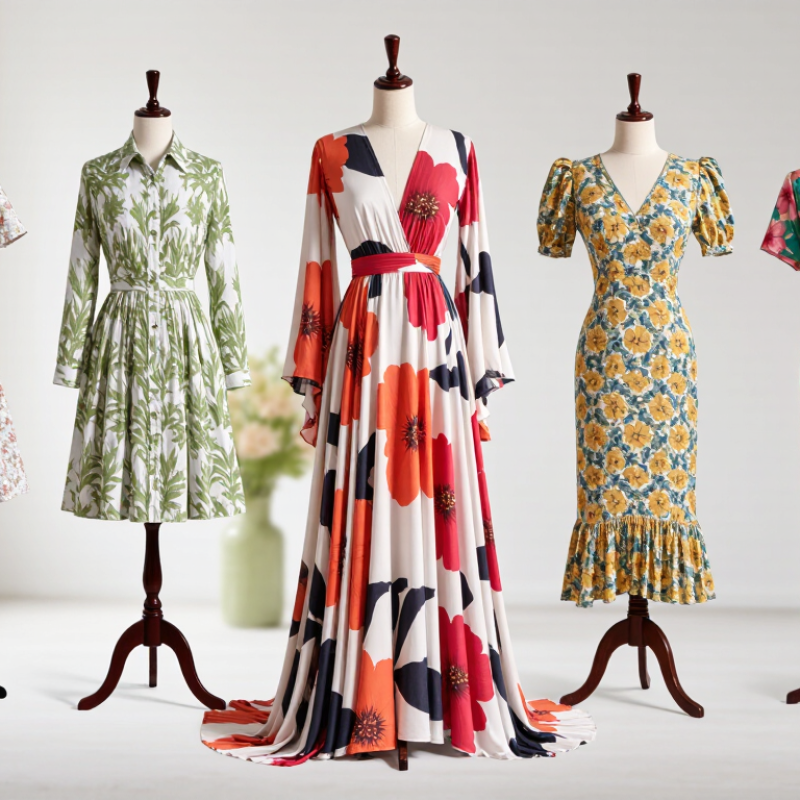
Floral dresses are easiest to classify by hem length and silhouette. Mini styles usually end above the knee, while knee-length dresses offer more coverage. Midi hems fall between the knee and ankle; maxi styles reach the ankle or floor. These labels are useful, but not exact: a midi hem can look longer on a petite wearer. The boundary is a little messy.
Silhouette describes the garment’s shape on the body. A-line dresses widen gently from the waist, while fit-and-flare styles add a more defined skirt. Sheath dresses follow a straighter line; wrap styles adjust at the waist. A gathered waist can make a floral print feel softer, while a crisp collar and narrow skirt read more structured. McKinsey’s State of Fashion 2024 reported that 71% of surveyed fashion executives expected consumers to spend less on fashion that year. Clear length and fit details help shoppers compare options, though they cannot guarantee a perfect fit.
Tips: Check the hem against your height and shoes. Look for waist placement, skirt volume, and fabric drape. A lightweight maxi may cling in wind; a lined A-line may hold its shape better. Don’t trust the label alone.
What Are the Most Popular Floral Maxi Dress Styles?
Floral maxi dresses are popular because they combine a sweeping silhouette with prints that suit many occasions. Tiered styles add movement, especially in lightweight cotton or viscose. The gathered seams create volume, though they can feel bulky around the waist on some bodies. Try one with a fitted top and sandals for an easy daytime outfit. Small flowers feel delicate; oversized blooms make a stronger statement. Neither is automatically more flattering.
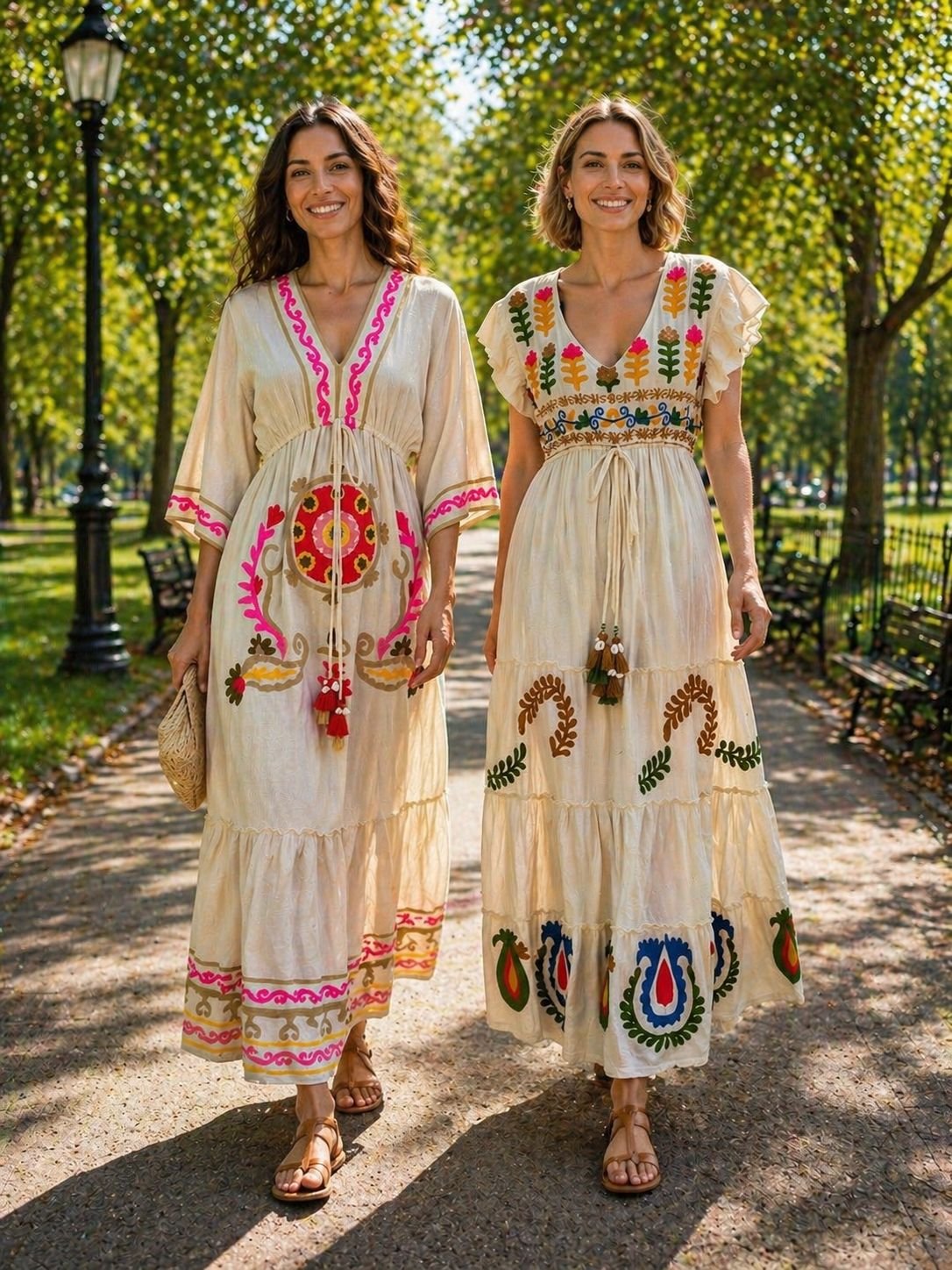
Wrap-style maxis offer an adjustable waist and a V-shaped neckline, making them a flexible choice for changing comfort needs. A-line dresses skim the hips, while sleeveless slip styles create a simpler, less structured look. For cooler evenings, long sleeves and a darker floral ground can feel seasonally appropriate without looking heavy. Check the lining and fabric opacity in daylight. It matters. A dress that looks airy online may cling or turn sheer when backlit. Bohemian versions often feature puff sleeves, ruffles, or mixed-scale prints, but too many details can compete with the flowers. Let one feature lead.
What Are the Top Types of Floral Print Dresses?
Common floral maxi dress styles are defined by their silhouettes and construction details. The chart shows typical hallmark features: 1 means a feature is commonly associated with the style; 0 means it is not a defining feature. Styles can overlap, so this is a style guide—not a popularity or sales ranking.
Which Floral Midi and Mini Dresses Are Most Common?
Floral midi dresses are common because they balance coverage and movement. A wrap midi with small scattered blooms suits everyday wear, while a bias-cut style often falls softly around the hips. A-line skirts offer room through the legs and work well with larger, widely spaced prints. Tea-length hems can feel polished, though the exact length changes with your height and shoes. Fit matters more than the label on the silhouette.
Mini dresses usually appear in fit-and-flare, shift, and tiered shapes. A fit-and-flare mini pairs a defined waist with a swishy skirt; a shift hangs straighter and feels less structured. Tiered minis add volume, so smaller florals can keep the overall look from feeling too busy. Short hems are lively. They can also ride up when you sit, a detail that is easy to overlook in a fitting room.
Tips: Check the hem while sitting and walking. For a busy floral print, keep accessories simple. If the dress has a loose shape, a light belt can add definition, but it may not sit comfortably on every cut. Try it both ways.
How Do Wrap, Shirt, and Fit-and-Flare Floral Dresses Differ?
Wrap, shirt, and fit-and-flare floral dresses differ in how they shape the body and move through a day. A wrap dress crosses at the waist and usually ties at the side. It lets you adjust the overlap, though a windy day can make the skirt feel less secure. Small, scattered flowers keep the crossover from looking too busy. It moves easily.
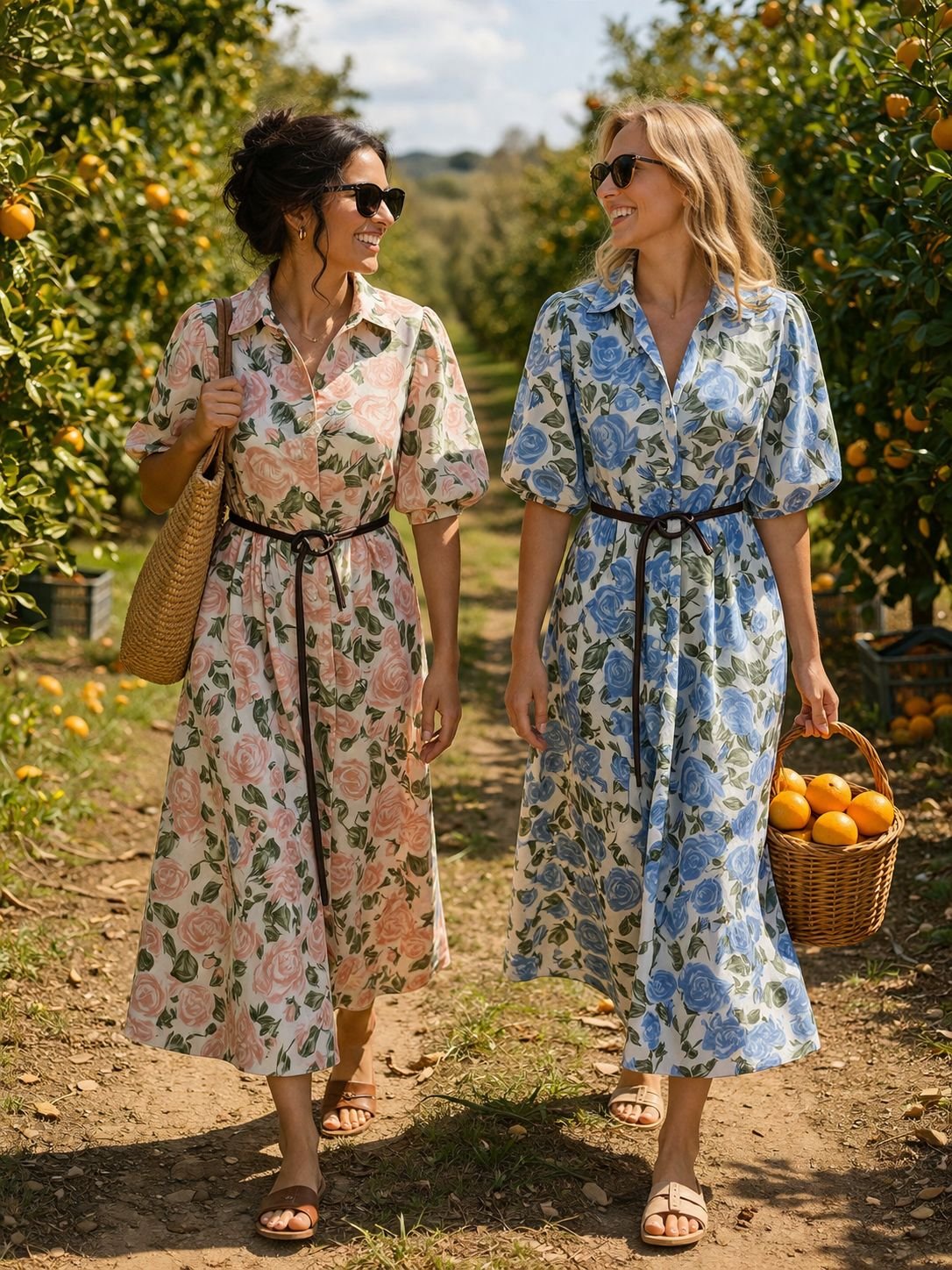
A shirt dress borrows details such as a collar, buttons, and cuffs. Its straighter shape suits a crisp cotton print, while a belt can define the waist. Fit-and-flare styles narrow at the bodice, then open into a fuller skirt. That extra fabric gives flowers room to spread, but can add visual volume. There is no universally “flattering” cut; that word is too tidy for different bodies and preferences. Fit matters in practical ways, too: the National Retail Federation and Appriss Retail estimated that U.S. retail returns reached $743 billion in 2023, or 14.5% of sales. Their report covers all merchandise, not floral dresses specifically. Use the number as context, not proof that one silhouette fits better. Check shoulder seams, button gaps, and waist placement before choosing a print. A little imperfect fit can still feel right.
| What Are the Top Types of Floral Print Dresses? — How Do Wrap, Shirt, and Fit-and-Flare Floral Dresses Differ? | |||
|---|---|---|---|
| Feature | Wrap Floral Dress | Shirt Floral Dress | Fit-and-Flare Floral Dress |
| Basic silhouette | Overlapping front panels create a diagonal wrap across the body. | Usually has a straight or gently shaped body with a shirt-style front. | Fitted or shaped through the bodice, then widens into a flared skirt. |
| Typical closure | Often ties at the waist; some designs use an inner tie, button, or snap for added security. | Typically fastens with a row of buttons or snaps down the front. | May use a back or side zipper, buttons, or a pull-on construction. |
| Waist definition | An adjustable tie or belt can let the wearer change the waist fit. | A self-belt, seam, or relaxed cut may define the waist; details vary by design. | The shaped bodice and waist seam commonly create a clear waistline. |
| Neckline and collar | Often forms a V-shaped neckline where the front panels cross. | Commonly features a shirt collar, pointed collar, or open neckline. | Necklines vary and may include round, square, scoop, or V-shaped styles. |
| Skirt shape | May be straight, gently gathered, or softly flared, depending on the pattern. | Often falls straight or relaxed; a belt or gathers can add shape. | Flares outward from the waist, creating a distinct A-line effect. |
| Ease of adjusting the fit | Waist ties offer some adjustability, though the front overlap and tie placement affect coverage. | Buttons allow the front opening to be adjusted; a belt can change the waist shape. | Fit is mainly determined by the bodice, waist seam, and garment construction. |
| Common details | Side ties, overlapping panels, and sometimes a small fastening inside the dress. | Button placket, collar, cuffs, chest pockets, or a removable belt. | Defined bodice, waist seam, and a flared skirt; sleeves and neckline vary. |
| Useful styling consideration | Check the overlap and fastening if you prefer more front coverage while moving or sitting. | Wear it buttoned as a dress or, if the design permits, open as a light layer. | Choose a skirt length and flare that suit the occasion and the amount of movement you want. |
How Do Floral Prints Vary by Motif, Scale, and Color?
Floral prints vary most clearly through motif, scale, and color. A ditsy print uses tiny, closely spaced flowers, often creating a delicate texture from a distance. Larger motifs make each bloom more noticeable and can feel bold, especially when the dress has a simple shape. Botanical prints may include leaves, stems, or scattered buds, while stylized flowers use simplified shapes and cleaner edges. That matters. The same floral colors can look very different when the flower shapes change.
Scale also affects how a dress reads on the body. Small blooms can feel quiet, though they may appear busy when packed tightly together. Oversized flowers draw the eye, so placement across the bodice or skirt can change the overall effect. I’ve found that a large print sometimes looks less dramatic in motion than it does on a hanger. Color shifts the mood, too: muted greens and dusty pinks tend to feel softer, while bright reds or yellows add contrast. Tiny blooms feel quieter. A dark background can sharpen pale petals, but it may make the dress feel heavier. There is no fixed rule; lighting and fabric can alter the colors more than expected.
FAQS
Gathered seams add volume and movement. Lightweight cotton can keep the layers feeling airy, though the waist may feel bulky.
Wrap styles have adjustable waists and V-shaped necklines. They can suit changing comfort needs.
A-line dresses skim the hips. Sleeveless slip styles look simpler and less structured.
Check its lining and fabric opacity in daylight. Backlighting can reveal sheerness or cling that was hard to notice indoors. It matters.
Ditsy prints use tiny, closely spaced flowers and can look busy. Oversized blooms stand out more, especially on a simple dress.
Botanical prints include details such as leaves and stems. Stylized flowers use simpler shapes, so similar colors can still look quite different.
Muted greens and dusty pinks often feel softer. Bright reds and yellows add contrast, while a dark background can make pale petals stand out.
Too many details can compete with the flowers. I sometimes overthink the print, though one feature leading is a useful starting point. No fixed rule.
Conclusion
Floral Print Dresses are commonly classified by length and silhouette, making it easier to find a style for different occasions and preferences. Maxi dresses offer full-length coverage and often feature flowing skirts, tiered designs, or defined waists. Midi dresses fall between the knee and ankle, while mini dresses create a shorter, lighter look. Each length can be styled with a variety of necklines, sleeves, and skirt shapes.
Silhouette also shapes a dress’s overall feel: wrap styles adjust at the waist, shirt dresses borrow details from classic button-front shirts, and fit-and-flare designs balance a fitted top with a wider skirt. Floral prints vary just as much, from tiny scattered blooms to large, bold motifs, with colors ranging from soft, subtle palettes to vivid contrasts. Considering print scale, color, length, and shape together can help you choose a dress that suits your personal style and the setting.
Blog Tags: