Voyage Paris Fashion Journal — Boutique Insights & Trends
French & Italian Wholesale Fashion Journal
Voyage Paris Boutique Buying Insights
Ladies Wholesale Boutique Fashion Advice London

Fashion & Wholesale Blog

Insights, trend updates, and expert buying guides for independent boutique owners.

0%

Finding the best Women's Denim Apparel in China takes more than comparing product photos. Buyers should look at fabric consistency, fit grading, stitching, wash quality, and a supplier’s ability to repeat an approved sample. Denim designer Adriano Goldschmied is widely credited with saying, “Denim is a fabric that has no age, no gender, no class, no religion, no nationality.” That broad appeal makes quality and comfort especially important: a pair of jeans may look convincing on a screen but feel stiff, heavy, or poorly fitted in person.

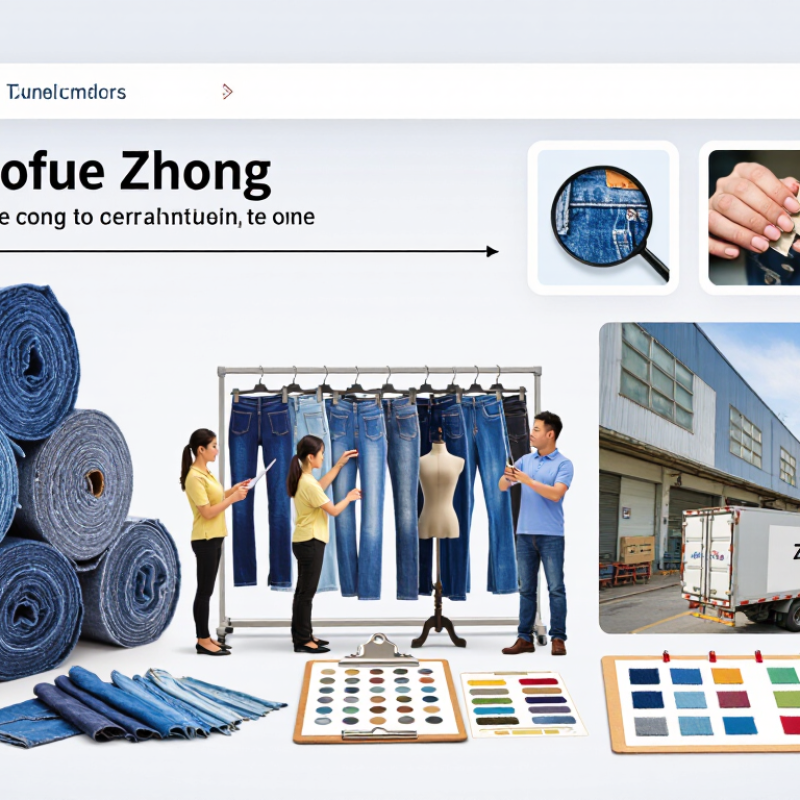
China offers several practical starting points. Guangzhou’s Zhongda area is known for fabric and accessories sourcing, while Xintang is associated with denim production. Humen, in Dongguan, is a useful garment-sourcing destination. These locations can help buyers compare materials, makers, and production options, but none guarantees a suitable supplier. Details matter. Ask about minimum order quantities, lead times, fabric composition, shrinkage testing, and available size ranges. Request a physical sample before committing to bulk production.

Look closely. Inspect pocket alignment, seam strength, zipper movement, and color consistency after washing. A reliable partner should answer questions clearly and document specifications, revisions, and sample approvals. For online sourcing, verify the company’s identity, request a live factory or product review, and confirm payment and shipping terms before ordering. One caution: polished catalogs can conceal uneven finishing, and a low price may omit important testing or service. This guide will help readers compare China’s sourcing hubs and supplier options with practical criteria, while recognizing that the “best” choice depends on budget, order size, design, and target customer.
Where to Find the Best Womens Denim Apparel in China?

Understanding the Women's Denim Apparel Market in China

China’s women’s denim market is broad, but national sales figures rarely isolate jeans by gender or garment type. The National Bureau of Statistics of China reported that retail sales of clothing, footwear, hats, and knitwear reached 1.4035 trillion yuan in 2023, up 12.9%. This is useful context, not a denim-market estimate. Fit matters.

Demand varies across cities, age groups, and shopping channels. The same NBS communiqué recorded 13.0174 trillion yuan in online retail sales of physical goods, an 8.4% annual increase. For denim, online listings make size charts and fabric details especially important: waist measurements, stretch content, inseam length, and clear photos can reduce uncertainty. Details sell. But online growth alone does not prove that shoppers prefer every style or wash.

Buyers assessing suppliers should compare fabric weight, stitching, color consistency, and shrinkage after washing—not just the displayed shade of indigo. China’s manufacturing base offers many product options, yet quality can differ between factories and production runs. A market-size figure can look reassuring while hiding these differences. Ask for samples and measurement tolerances, and treat broad apparel statistics as background rather than proof of denim demand.

Identifying China's Main Denim Manufacturing Regions

China’s denim supply chain spans several manufacturing regions, each with different strengths. Guangdong, especially the Pearl River Delta, has dense garment-making networks and access to washing and finishing services. This can help buyers coordinate women’s jeans, jackets, and skirts with nearby suppliers. Ask how a factory controls shade consistency, shrinkage, and seam strength. These details matter.

Zhejiang and Jiangsu combine fabric, garment, and textile-service businesses across several industrial cities. Shandong is also an important denim-producing area, with capabilities that may suit larger, repeat orders. But regional labels are only a starting point. A factory’s actual equipment, workforce, and finishing partners can vary widely. Maps can mislead.

For women’s apparel, request a sample in the intended fabric weight and wash, then check fit after laundering. Confirm whether the supplier handles pattern development, grading, and small trial runs in-house. Some factories are strong at sewing but outsource washing; others have the opposite profile. That distinction affects lead times and quality checks. Ask for production records and inspect a recent sample before committing. A polished showroom is useful, but it is not proof of consistent bulk production.

Where to Find the Best Women's Denim Apparel in China?

A geographic look at three established denim manufacturing hubs.

Xintang in Guangdong, Changzhou in Jiangsu, and Zaozhuang in Shandong are recognized denim-production centers. The bars show approximate latitude only—not factory counts, production volume, or product quality. Use the locations as a starting point when comparing suppliers and capabilities.

Exploring Ways to Find Denim Brands and Suppliers

Finding dependable denim suppliers in China starts with a clear product brief, not a search box. Specify the fit, fabric weight, stretch percentage, wash, trims, size range, and target price. A straight-leg jean in rigid denim may require different expertise from a soft, stretch pair. Small details matter.

Search established B2B directories, textile trade fairs, and regional garment clusters, then verify each lead independently. Ask whether the supplier is a factory, a trading company, or both. Request business documents and a live video tour showing cutting, sewing, washing, and packing areas. Photos can be old. Treat them as clues, not proof. Compare minimum order quantities, sample fees, production schedules, payment terms, and defect policies in writing. A low quote may exclude finishing or inspection.

Order samples in your intended fabric and wash, then check measurements after laundering. Inspect seam strength, zipper movement, color consistency, and pocket placement under ordinary light. Keep a reference sample and measurement sheet for bulk production. If possible, arrange an independent inspection during production. Clear communication matters, too. Still, one good sample cannot guarantee every carton will match, so plan for checks and allow time for delays.

Evaluating Quality, Fit, Sustainability, and Production Standards

Where to Find the Best Womens Denim Apparel in China?

A strong denim supplier should prove quality through repeatable tests, not attractive samples alone. Ask for fabric weight, fiber composition, shrinkage results, and seam-strength records. Then inspect a finished garment: pocket corners should be secure, the waistband should sit evenly, and the zipper should move without catching. Fit needs equal care. Request measurements for each size, plus wash-test results, because indigo fabric can change after laundering. A size chart is useful, but it cannot replace trying the garment on different body shapes.

Sustainability claims deserve the same scrutiny. Textile Exchange’s Materials Market Report 2024 estimates that global fiber production reached 124 million tonnes in 2023, with polyester accounting for about 57%. The figure covers all fibers, not denim alone, but it shows why fiber choices and traceability matter. Ask suppliers to identify cotton sources, recycled-content percentages, wastewater treatment practices, and the evidence behind each claim. Specific records are more useful than broad promises.

Production standards matter, too. Check whether testing covers relevant Chinese textile safety requirements, such as GB 18401, and whether the factory can provide current test reports. Review washing, dyeing, and finishing controls; small process changes can affect color, hand feel, and fit. A factory tour helps, but documents should match the actual production line. One uncomfortable truth: a polished sample may not represent bulk production. Recheck measurements and color after the first production run.

Choosing the Right Sourcing Channel for Your Needs

China is a major apparel sourcing base: the WTO’s World Trade Statistical Review 2023 reports that it supplied 31.7% of global clothing exports in 2022. That scale offers choices, not automatic quality. For women’s denim, go direct to a factory when you have clear tech packs, repeat orders, and staff who can follow production. Ask to see wash tests, fabric weight, size grading, and stitching on a pre-production sample. A polished sample alone proves little.

A sourcing agent can help smaller teams compare factories, translate fit feedback, and check production; confirm fees and inspection arrangements before signing. Online directories and trade fairs work well for building a shortlist, but treat listings as leads, not endorsements. The World Bank’s 2023 Logistics Performance Index ranked China 19th among 139 economies. That matters.

Still, efficient shipping cannot fix uneven sizing or a wash that changes after bulk production. Request a size set and wash approval, then agree on acceptable shade variation in writing. I would avoid choosing on price alone; denim costs can shift with fabric composition, washing steps, and minimum order quantities. Start with the channel your team can actually monitor.

FAQS

Do national sales figures show the size of China’s women’s denim market?

Not exactly. Clothing, footwear, hats, and knitwear sales reached 1.4035 trillion yuan in 2023. That figure provides context, not a denim estimate. Fit matters.

Why do online listings need detailed denim measurements?

Clear waist, inseam, and stretch details help shoppers judge fit. Photos and size charts reduce uncertainty, but they cannot guarantee a good fit.

What should buyers include in a denim supplier brief?

Specify fit, fabric weight, stretch percentage, wash, trims, size range, and target price. A rigid straight-leg style needs different production skills from soft stretch denim.

How can buyers check whether a supplier is a factory?

Request business documents and a live video tour of cutting, sewing, washing, and packing areas. Photos can mislead. Verify each lead independently.

What should buyers inspect in denim samples?

Check measurements, seam strength, zipper movement, color consistency, and pocket placement. Wash the sample and measure it again. Keep a reference sample.

Can one good sample guarantee consistent bulk production?

No. Production runs can vary in stitching, shade, and fit. Arrange checks during production, and recheck the first bulk run.

What evidence should support sustainability claims?

Ask for cotton-source details, recycled-content percentages, wastewater practices, and supporting records. Broad promises are hard to assess without evidence.

Which production and testing details should buyers review?

Check current reports covering relevant textile safety requirements, including GB 18401. Review washing and dyeing controls, since small process changes can affect color and fit.

Conclusion

China’s Women’s Denim Apparel market offers a wide range of styles, materials, and production capabilities to suit different needs. Buyers can begin by understanding the market’s key trends and customer preferences, then explore major denim manufacturing regions, where clusters of factories may specialize in different stages of production, from fabric development to garment finishing. Finding suitable suppliers can involve comparing sourcing platforms, attending trade events, or contacting manufacturers directly.

Before making a decision, assess more than price and appearance. Review fabric quality, sizing and fit, durability, sustainability practices, and production standards, and request samples when possible. The best sourcing channel depends on your order size, level of customization, budget, and need for ongoing communication. By comparing options carefully and clarifying requirements early, buyers can identify denim products and suppliers that align with their goals.

Ethan

Ethan

Ethan is a seasoned marketing professional with a deep-rooted expertise in our company's product offerings. With a passion for effective communication and brand storytelling, he skillfully engages with our clients through comprehensive blog articles published on our company website. His insights......