


Voyage Paris Fashion Journal — Boutique Insights & Trends
French & Italian Wholesale Fashion Journal
Voyage Paris Boutique Buying Insights
Ladies Wholesale Boutique Fashion Advice London

Fashion & Wholesale Blog

Insights, trend updates, and expert buying guides for independent boutique owners.

0%

Why Choose Women’s Eveningwear for Your Retail Business?

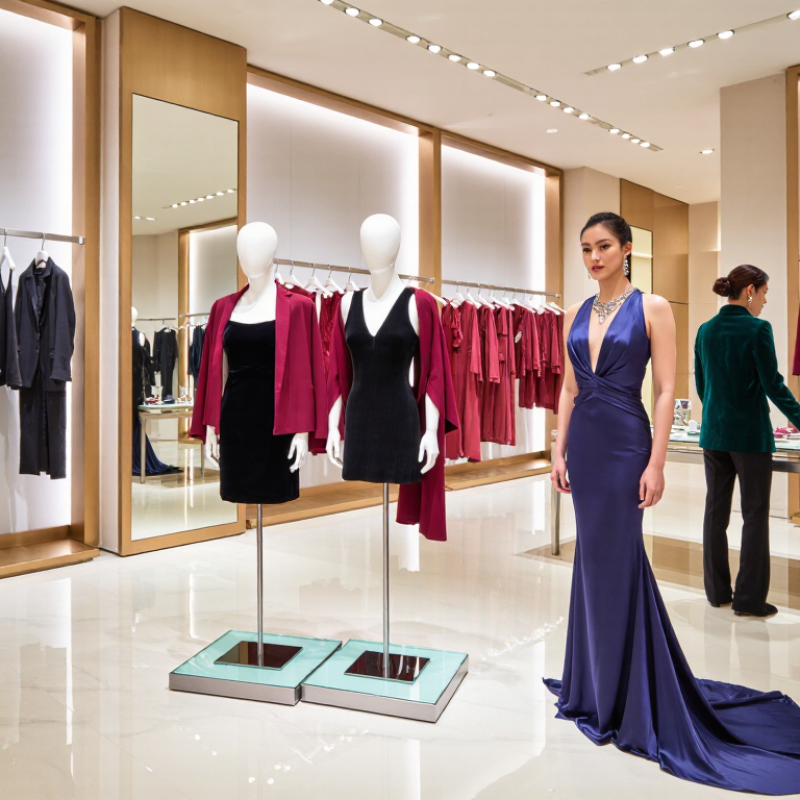
Women’s Eveningwear can give a retail business a strong position in a visually driven market. Customers buy these pieces for weddings, galas, dinners, award nights, and memorable celebrations. A satin gown under warm store lighting creates immediate emotional impact. So does a carefully fitted velvet blazer.

The category also supports healthy product variety. Retailers can offer gowns, cocktail dresses, jumpsuits, shawls, clutches, and coordinated jewelry. These details encourage complete-look purchases, not just single-item sales. Fashion designer Tom Ford has said, “Dressing well is a form of good manners.” His words reflect why eveningwear often feels personal, not merely commercial.

There is practical experience behind this opportunity. Eveningwear customers usually seek guidance about fit, fabric, length, and occasion. Trained staff can turn uncertainty into trust. Clear size charts, honest product descriptions, and dependable delivery matter greatly. Small service failures can damage confidence quickly.

Still, this market is not effortless. Seasonal demand can create unsold stock, especially with highly specific colors or silhouettes. Trends change. Bodies and preferences differ. Retailers should test limited quantities before expanding a collection. Customer feedback, return reasons, and sales data can reveal what photographs fail to show.

The best strategy combines elegance with evidence. Use detailed images, realistic styling, and transparent policies. Offer timeless black, navy, and jewel tones alongside limited trend pieces. Women’s Eveningwear can become a profitable category, but only when beauty is supported by fit, service, and disciplined buying. Perfect results are unlikely. Thoughtful improvement is more realistic.
Why Choose Women's Eveningwear for Your Retail Business?

Market Demand and Consumer Preferences in Women’s Eveningwear

Why Choose Women's Eveningwear for Your Retail Business?

Women’s eveningwear continues to attract shoppers preparing for weddings, dinners, receptions, and formal work events. These occasions create regular demand beyond seasonal celebrations. Customers often seek polished pieces that feel comfortable for several hours. A soft lining, secure neckline, and breathable fabric can influence the final purchase.

Retailers should study local buying habits before selecting inventory. In warmer regions, lightweight satin, chiffon, and sleeveless silhouettes may perform well. Colder markets may favor velvet, long sleeves, and layered designs. Neutral colors support repeat styling, while jewel tones can attract customers seeking more visual impact. Sizing must remain practical. Poor fit creates hesitation and costly returns.

Fit matters greatly.

Online shoppers inspect measurements, fabric descriptions, and customer photographs before ordering. Clear product details build trust, especially when texture and movement cannot be felt through a screen. Retail teams with fitting experience can identify common problems, such as tight armholes or uneven hems. That knowledge can improve purchasing decisions and product descriptions.

Demand is not perfectly predictable. I have seen elegant styles remain unsold because their colors suited trend reports, but not local preferences. Small test orders may reduce that risk. Customer feedback, return reasons, and sales by size offer more reliable guidance than assumptions alone. Eveningwear also benefits from flexible styling, since shoppers increasingly want one dress to serve multiple occasions.

Key Product Categories and Their Retail Appeal

Why Choose Women's Eveningwear for Your Retail Business?

Key Product Categories and Their Retail Appeal

Women's eveningwear gives retailers a clear way to serve celebrations, formal dinners, and seasonal events. The strongest assortment usually combines several product categories. Long gowns create visual impact on the sales floor. Midi dresses offer easier movement and broader repeat-wear potential. Jumpsuits attract customers seeking a modern alternative to traditional dresses.

Separates also deserve attention. Satin skirts, tailored trousers, and embellished tops let shoppers build flexible outfits. This approach can increase styling options without requiring a large inventory. Cocktail dresses often sit between casual and formal clothing. They suit weddings, work receptions, and evening gatherings. That versatility can support steadier demand across different customer groups.

In my retail experience, fabric and fit influence buying decisions more than decoration alone. Customers often check lining quality, zipper movement, and sleeve comfort before noticing small details. Velvet feels rich in colder months, while lightweight satin suits warmer venues. Size consistency remains essential. A beautiful design cannot compensate for unreliable measurements.

Not every category performs equally. Statement gowns may attract attention but sell less frequently. Retailers should review returns, fitting-room comments, and seasonal sales before expanding. Small tests can reveal whether local shoppers prefer sleeves, adjustable straps, or modest necklines. Eveningwear sells best when visual appeal meets practical confidence.

Why Choose Women's Eveningwear for Your Retail Business?

Key product categories and their retail appeal

Evening dresses typically support higher ticket values, while cocktail dresses and occasion jumpsuits offer broader wearability and more frequent purchase opportunities. Gowns create strong seasonal and event-driven demand, and coordinated accessories can increase basket size through cross-selling.

Retail benchmarks shown are indicative US specialty-retail price bands and merchandising scores, excluding company and brand data.

Profit Margins, Pricing Strategies, and Inventory Planning

Women's eveningwear can give a retail business attractive margins when buying decisions follow real customer behavior. In my store-planning experience, shoppers accept higher prices for fabric, fit, and occasion value. A well-finished satin dress may cost $32 wholesale and sell near $96. That is not automatic profit. Alterations, payment fees, storage, markdowns, and returns reduce the visible margin. Track every cost.

Price by product role, not emotion. Entry pieces can attract first-time buyers, while detailed gowns support stronger gross margins. A practical opening range might use a 2.5 to 3.2 markup, then adjust after weekly sell-through data. Keep prices consistent across sizes unless construction costs differ. Psychological pricing can help, but it should not disguise weak quality. Test a $129 price against $135 for two weeks. The result may surprise you. I once overestimated demand for silver sequins, and leftover stock occupied a full rack.

Inventory planning needs a calendar. Review weddings, formal dinners, graduation events, and local weather before placing orders. Buy core colors in deeper quantities, but limit trend-heavy shades. For a small shop, 60% dependable silhouettes, 25% seasonal details, and 15% experimental designs can reduce risk. Reserve cash for replenishment instead of spending every dollar upfront. Measure sell-through at 30, 60, and 90 days. Still, no formula replaces judgment. A slow style may need better lighting, not a discount. Holding it too long can quietly erase the margin.

Sourcing, Quality Standards, and Supplier Evaluation

Choosing women’s eveningwear can give a retail business strong seasonal appeal and higher-value sales. The opportunity depends on disciplined sourcing, not attractive photographs alone. Buyers should request fabric details, size charts, construction images, and a physical sample before placing a larger order. A satin dress may look elegant online, yet feel thin under store lighting. Small details matter.

Quality standards should cover stitching, lining, closures, color consistency, and seam strength. Inspect the shoulder seams and hem after gentle movement. Test zippers repeatedly. Check whether beads or decorative pieces remain secure. Suppliers should provide clear inspection procedures and realistic production tolerances. Independent testing may help verify fabric composition, colorfastness, and basic product safety requirements. Documentation should match the actual garment.

Supplier evaluation requires more than comparing prices. Review production capacity, communication speed, sample accuracy, lead times, and return handling. Ask how they manage defective pieces and unexpected fabric shortages. A reliable supplier answers with records, not vague promises. I have found that the cheapest quotation can create expensive delays. However, a higher price does not automatically prove better quality. That assumption needs challenge. Start with a modest trial order, inspect every size, and record defects with photographs. Recheck the supplier after delivery, because performance can change during busy seasons.

Why Choose Women's Eveningwear for Your Retail Business? - Sourcing, Quality Standards, and Supplier Evaluation
Category Evaluation Dimension Typical Benchmark or Requirement Retail Business Relevance
Market Opportunity Product positioning Eveningwear can include cocktail dresses, formal dresses, occasion separates, jumpsuits, shawls, and embellished skirts. The assortment should be matched to the retailer’s target price tier and occasions. Supports multiple selling occasions, including weddings, parties, formal dinners, galas, and seasonal celebrations.
Sourcing Supplier sourcing criteria Compare fabric capability, embellishment experience, sample development, production capacity, export documentation, quality systems, and communication responsiveness before placing an order. Reduces the risk of inconsistent workmanship, missed delivery dates, and costly production changes.
Sourcing Development timeline A practical planning allowance is approximately 2–6 weeks for sampling and revisions, depending on pattern complexity, fabric availability, and trim development. Gives buyers enough time to approve fit, color, construction, and decorative details before bulk production.
Sourcing Bulk production lead time A commonly used planning range is approximately 45–90 days after approval of the pre-production sample, fabric, measurements, and purchase order. The actual time varies by order size and season. Helps retailers coordinate launch calendars, promotional activity, and inventory availability.
Sourcing Minimum order quantity Minimum order quantities are supplier-specific. Smaller trial orders may be possible for ready fabrics and core styles, while custom colors, exclusive prints, and special trims generally require higher quantities. Allows a retailer to balance product testing with production efficiency and unit cost.
Material Quality Fabric and trim documentation Request fiber-composition information, care instructions, color references, fabric weight where relevant, trim specifications, and test reports applicable to the destination market. Improves product consistency and supports accurate product descriptions and legal labeling.
Material Quality Color and shade control Approve a physical color standard or lab dip before bulk production. Check the finished garment under consistent lighting and retain an approved reference sample. Reduces shade variation across purchase orders and prevents visual mismatch between coordinated pieces.
Construction Quality Seams and stitching Inspect seam alignment, stitch security, seam allowance, thread tension, skipped stitches, puckering, loose threads, and reinforcement at stress points. Protects garment durability and reduces customer complaints caused by seam failure or poor finishing.
Construction Quality Fit and measurement tolerance Use a size specification sheet with approved points of measure and tolerances. Measure a representative sample from each production size and record deviations. Improves size consistency, supports online sales, and can reduce fit-related returns.
Construction Quality Embellishment security Check sequins, beads, crystals, appliqués, and decorative components for secure attachment, sharp edges, missing pieces, loose threads, and snagging risks. Maintains the premium appearance expected from occasionwear and lowers the risk of damage during wear or transport.
Functional Details Closures and lining Test zippers, hooks, snaps, buttons, lining attachment, hems, and adjustable elements through repeated opening, closing, and visual inspection. Ensures that customers can put on, adjust, and remove the garment without damaging key components.
Quality Standards Inspection sampling ISO 2859-1 provides a recognized framework for lot-by-lot attribute inspection using sampling plans. The buyer should define inspection level, lot size, and acceptance criteria in advance. Creates a consistent, documented method for deciding whether a shipment meets the agreed quality requirements.
Quality Standards Defect classification Classify defects as critical, major, or minor. Define examples before production, such as unsafe sharp components, open seams, visible stains, incorrect measurements, or loose threads. Prevents subjective inspection decisions and focuses corrective action on defects with the greatest customer impact.
Compliance Destination-market requirements Verify applicable textile labeling, fiber-content disclosure, care labeling, chemical restrictions, product safety, and flammability requirements for the intended sales market. Examples include EU Regulation (EU) No 1007/2011 for textile fiber names and the U.S. Textile Fiber Products Identification Act. Helps prevent customs delays, relabeling costs, product withdrawals, and regulatory penalties.
Compliance Chemical and restricted-substance control Request relevant test reports or declarations for restricted substances, dyes, prints, coatings, metal components, and other trims. EU sales commonly require attention to REACH restrictions; requirements depend on the product and market. Supports safer products and reduces exposure to chemical compliance and recall risks.
Supplier Evaluation Quality capability score Suggested weighting: 30% quality consistency and inspection controls; 20% product development; 15% compliance documentation; 15% delivery reliability; 10% communication; 10% commercial terms. Provides a transparent comparison method instead of selecting suppliers on price alone.
Supplier Evaluation Sample approval process Approve a fit sample, size-set sample where needed, and pre-production sample. Record measurements, fabric, color, trims, construction details, packaging, and approved corrections. Creates a clear reference for bulk production and provides evidence for resolving quality disputes.
Supplier Evaluation Factory audit indicators Review production capacity, worker safety, quality-control checkpoints, traceability of materials, equipment maintenance, storage conditions, and corrective-action records. Helps determine whether the supplier can reproduce complex styles reliably at the required volume.
Commercial Planning Landed-cost calculation Calculate product cost together with sampling, packaging, testing, freight, insurance, duties, customs fees, payment costs, and expected alterations or quality claims. Produces a more accurate gross-margin forecast than comparing the unit purchase price alone.
Commercial Planning Packaging and presentation Define folding method, protective materials, size stickers, care labels, carton markings, barcode requirements, and moisture protection before shipment. Preserves garment appearance during transport and supports efficient receiving and stockroom operations.
Risk Management Pre-shipment inspection Conduct final inspection after production is substantially complete and before shipment. Check quantity, assortment, measurements, workmanship, color, labeling, packaging, and visible defects. Identifies problems while the supplier can still rework or replace affected units.
Risk Management Supplier performance review Track on-time delivery, defect rate, measurement deviations, response time, corrective-action closure, claim resolution, and repeat-order consistency. Turns supplier management into a measurable process and supports better future purchasing decisions.
Planning benchmarks are indicative rather than universal. Final requirements should be confirmed with the supplier, the destination-market regulations, the approved technical specification, and the retailer’s purchase agreement.

Marketing Channels and Customer Experience Strategies

Women’s eveningwear can attract high-intent shoppers, but marketing must match the occasion. DHL’s 2024 E-Commerce Trends Report found that 70% of consumers expect to shop through social media by 2030. Retailers should use short videos showing fabric movement, sleeve details, and fit under evening lighting. Search campaigns can target phrases such as “formal dress for a winter wedding.” Email should follow with practical guidance, including delivery timing, sizing, and return conditions. The message must feel useful, not overly polished.

Customer experience often decides whether interest becomes revenue. Baymard Institute reports an average online cart abandonment rate of 70.19%. Eveningwear shoppers may hesitate because fit feels uncertain. Add garment measurements, model height, stretch information, and close-up photographs. A simple occasion filter can reduce effort. Live support may also help, especially when customers compare lengths or accessories. Small details matter.

Returns require equal attention. The National Retail Federation reported that U.S. retailers expected $890 billion in returns during 2024, equal to 16.9% of annual sales. Clear policies, reusable packaging, and fast refund updates can protect trust. Yet retailers should test every channel instead of copying industry habits. A dramatic video may gain views but produce weak sales. We have seen this gap repeatedly. Track conversion, return reasons, response time, and repeat purchases by channel. Data should guide creative decisions, though human feedback still exposes problems dashboards miss.

FAQS

Which eveningwear categories should a retailer consider?

Long gowns create strong visual impact. Midi dresses offer easier movement and repeat-wear potential. Jumpsuits provide a modern alternative.

Why are separates useful in an eveningwear assortment?

Satin skirts, tailored trousers, and embellished tops create flexible outfits. They expand styling choices without requiring a large inventory.

What details influence customers before decoration?

Customers often inspect lining quality, zipper movement, sleeve comfort, and measurements. A beautiful design cannot fix an unreliable fit.

How can a retailer test local demand?

Begin with a modest order across several sizes. Review returns, fitting-room comments, and seasonal sales before expanding.

What should buyers request before placing a larger order?

Request fabric details, size charts, construction images, and a physical sample. Online photographs can hide thin fabric under store lighting.

How should garment quality be inspected?

Check stitching, lining, closures, color consistency, and seam strength. Test zippers repeatedly. Inspect beads and hems after gentle movement.

What makes a supplier dependable?

Review communication speed, sample accuracy, production capacity, lead times, and defect handling. Reliable suppliers provide records, not vague promises.

Which marketing details help shoppers judge eveningwear?

Use short videos showing fabric movement, sleeve details, and evening lighting. Add garment measurements, model height, stretch information, and close-up images.

How can retailers reduce returns and abandoned carts?

Provide clear sizing guidance, occasion filters, delivery timing, and return conditions. Fast refund updates can protect trust. Policies still need testing.

Conclusion

Choosing Women’s Eveningwear for a retail business can be a strong opportunity because customers consistently seek elegant clothing for celebrations, formal gatherings, dinners, and seasonal events. Understanding market demand and consumer preferences helps retailers select appealing styles, sizes, colors, and fabrics. Key product categories may include formal dresses, cocktail dresses, coordinated sets, evening separates, and complementary accessories, each offering different levels of versatility and retail appeal.

Success also depends on careful financial and operational planning. Retailers should set prices according to product quality, customer expectations, operating costs, and target profit margins while maintaining a balanced inventory that reflects seasonal demand. Reliable sourcing, consistent quality standards, accurate sizing, and thorough supplier evaluation are essential for reducing returns and building customer trust. To attract and retain shoppers, businesses can combine online and in-store marketing, provide clear product information, offer helpful styling guidance, and create a smooth purchasing experience through responsive service, flexible delivery options, and straightforward after-sales support.

Ethan

Ethan

Ethan is a seasoned marketing professional with a deep-rooted expertise in our company's product offerings. With a passion for effective communication and brand storytelling, he skillfully engages with our clients through comprehensive blog articles published on our company website. His insights......