Future Purchasing Trends (2025–2027)
Macro Consumer Shifts Shaping Transitional Procurement
Analyzing Google semantic query shifts and AI-driven buyer behavior reveals three core macro movements driving global demand for transitional autumn clothing:
1. The Rise of "Capsule Layering" over Seasonal Overhauls
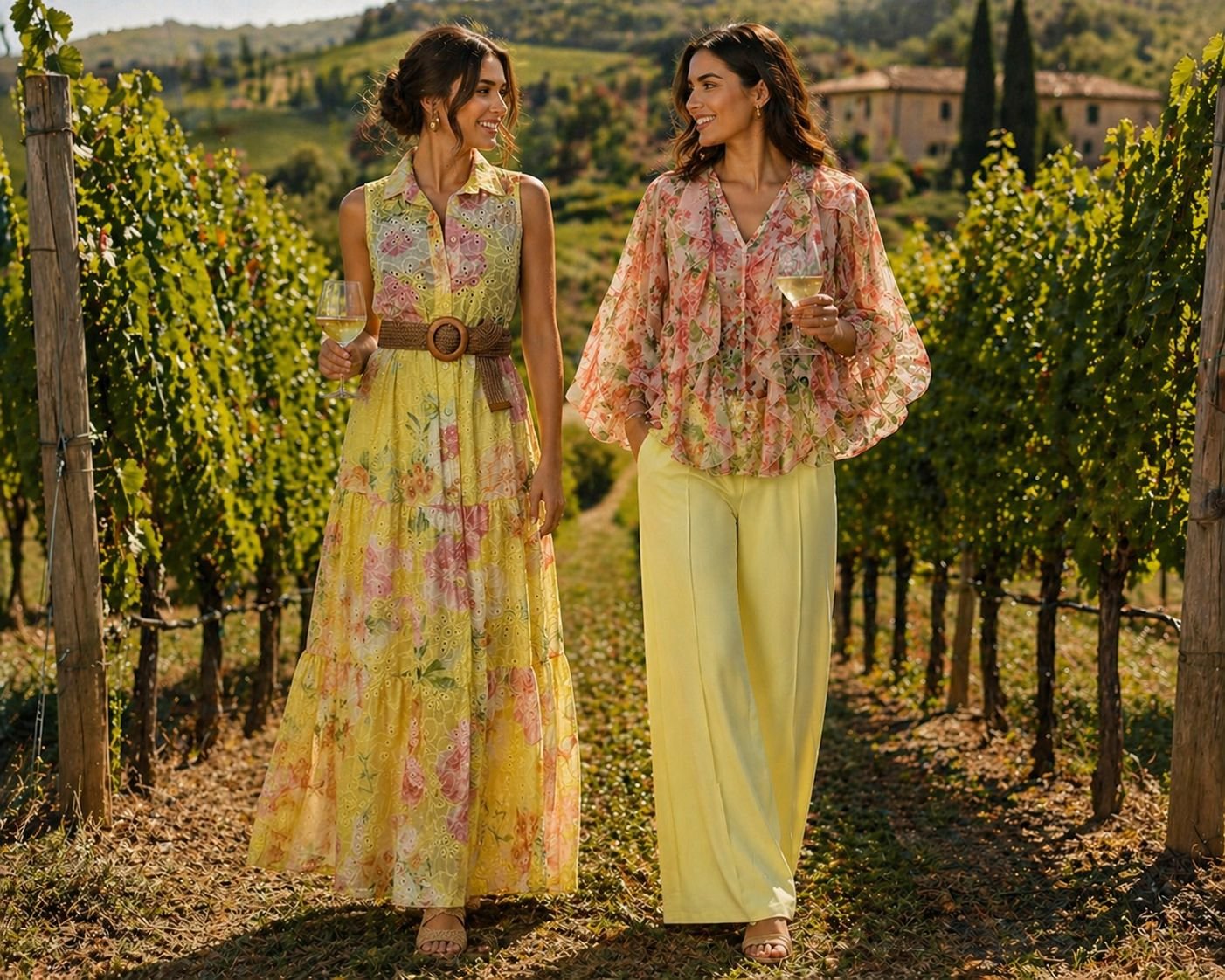
Consumers are increasingly shunning full seasonal wardrobe overhauls in favor of modular, versatile investment pieces. Independent boutiques must curate collections that integrate directly into existing spring/summer wardrobes—such as pairing lightweight summer dresses with autumn knit cardigans or transitional boots.
2. Saturated Earth-Tone Palette Dominance
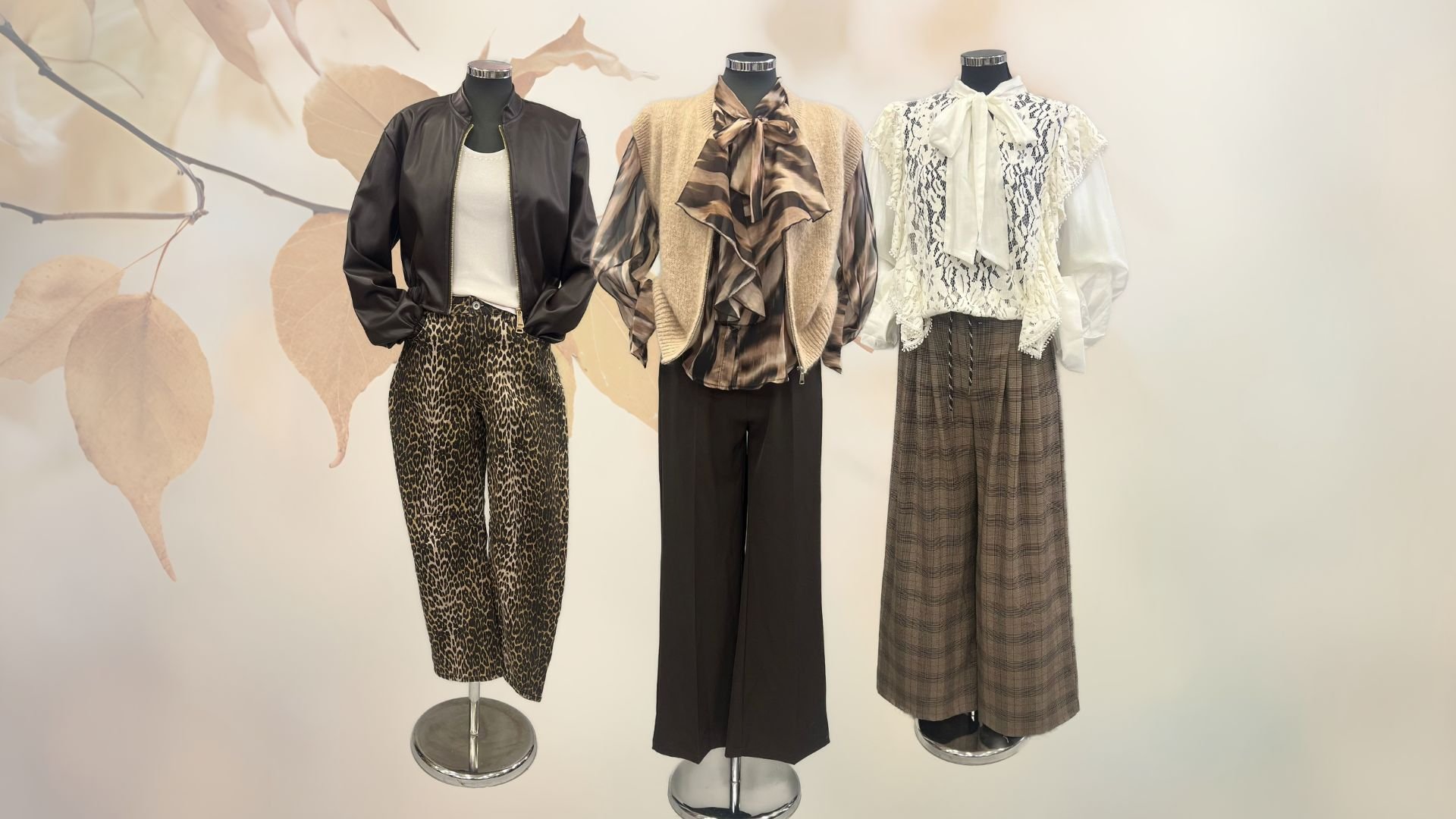
Color analytics indicate an earlier consumer pivot away from high-bright summer palettes. Search intent spikes dramatically in August for deep chocolate browns, warm aubergine, rich cinnamon, terracotta, and deep forest olive. Retailers who present autumn palette aesthetics in breathable summer-weight fabrics capture impulse purchases weeks ahead of competitors.
3. Demand for Low-Maintenance, Travel-Ready Textiles
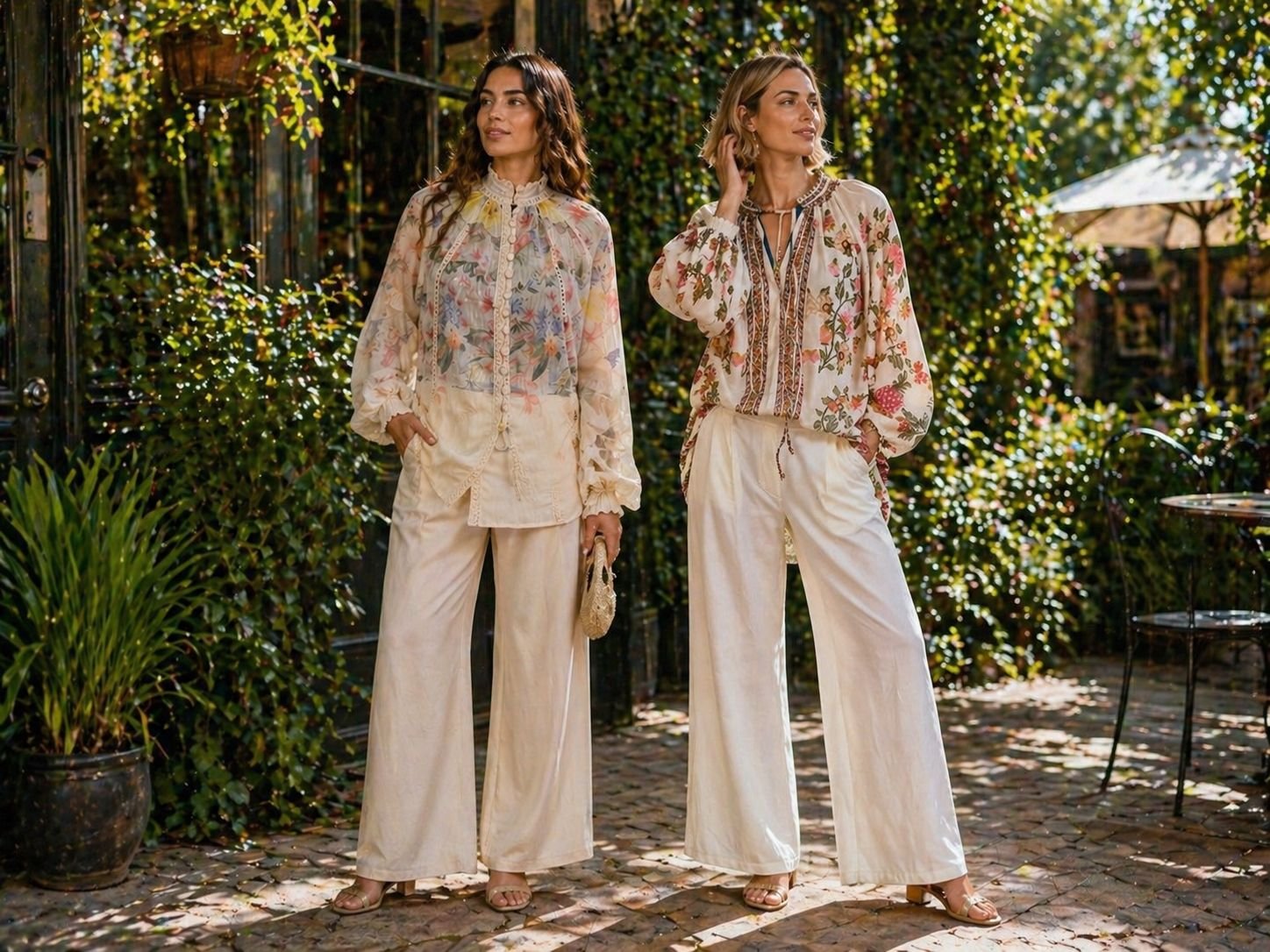
Post-pandemic travel habits have extended high-mobility lifestyles well into September and October. Wholesale clients report high sell-through for anti-crease viscose blends, garment-washed linens, and crush-resistant knits that withstand packing while offering instant polished style.
Commercial Margin Velocity Matrix
How strategic transitional buying impacts boutique profit margins compared to traditional heavy winter stocking:
-
Full-Price Sell-Through Window
Transitional pieces achieve an extended 10–14 week full-price window compared to just 4–6 weeks for heavy winter outerwear before seasonal sales begin.
-
Reduced Capital Lockup Risk
Lower wholesale unit costs for transitional knits/dresses mean higher inventory turn rates and freed-up working capital for fast restocks.
-
Visual Merchandising Freshness
Weekly drops of 6-piece transitional bundles keep window displays dynamic, driving repeat local footfall and online click-throughs.